The massive jump in the costs of scotch bonnet peppers, green gungo, and other produce, before the holidays, forced Jamaicans to hold strain and get a grip of the fact that the nation is in the throes of a severe food crisis.
Many householders were forced to seek more affordable alternatives to spruce up their pots during the festive season. Some tables skipped multiple meat options and settled for affordability and stretchability.
Outside of pepper and peas, skyrocketing food costs signal tough times ahead for families. For two consecutive years, the bread basket parishes were strategically decimated, sending food costs beyond the reach of many households.
Hurricane Beryl, and then Melissa, delivered deadly damage to large sections of the agricultural belt, and recovery is still years away, regardless of the promises from parliament.
The brutal beating from Melissa dampened the festivities this season. Grand markets shriveled, and pavements, that in previous years would bear the weight of enthusiastic crowds, were sparse, as mumbling shoppers fussed with merchants and vendors over prices.
Even the Bank of Jamaica had to admit that things were not turning out as it had anticipated. The growth in cash demand during the first three weeks of December 2025 was softer than expected, lagging behind both the central bank’s projection and the previous year’s increase.
Many families were struggling before the passage of Hurricane Melissa in October, and hopes of a quick recovery from the devastation have burned deeper holes in pockets and emptied sparse bank accounts. The holidays served as a stark reminder that we are in serious times and grave challenges are ahead.
Up to two years ago, the Global Hunger Index (GHI) indicated that over half the Jamaican population was struggling to afford healthy diets. While the 2025 GHI suggests some level of improvement since 2023, the island continues to wrestle with affordability and nutrition.
Behind the ominous signs of food insecurity is the all-out threat of a famine. But those who occupy the high seats of power seem unbothered by the prospect.
Any effort to provide lifesaving nutrition for the population is more talk than substance.
The government takes great pride in marketing its narratives and making announcements. It brags that help to get small farmers back to the fields is underway. They have also boasted that Jamaica will plug the food insecurity gap by massively increasing its import bill. The masses are well aware that only party faithfuls and favoured friends will get the go-ahead to import the vegetables, that only few will be able to afford.
Already, supermarket shelves are stacked with foreign goods, among them are many genetically modified organisms that pass as food.
Unscrupulous importers have also added rice, cabbage, and other produce that appear to have a plastic component that is causing much concern among consumers, but not the government.
Jamaica should never have found itself in this food insecurity predicament. For nearly a decade, the prophetic word has consistently warned that an intense famine is precariously positioned on the horizon. The forecast threatened a direct impact on Jamaica and other parts of the world.
No effort was made by the government to prepare for the inevitable. Instead of investing heavily in agriculture and food storage operations, they gallivanted with ideas about digital economies, smart cities, and keeping opposing voices silent.
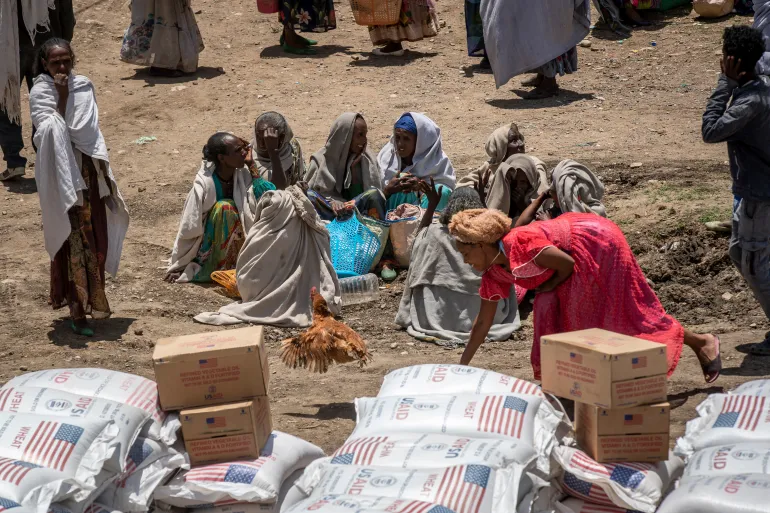
Thousands of families in Jamaica have been living on one unbalanced meal per day. A United Nations (UN) report stated that between 2020 and 2022, some 8.3% of the Jamaican population experienced undernourishment. At the same time, 25.6% faced severe food insecurity, while more than 1.4 million Jamaicans experienced moderate food insecurity.
The UN said the food insecurity situation worsened in Jamaica in 2024, with over half the population affected due to high import reliance, global price hikes, and environmental shocks like Hurricane Beryl, which devastated agriculture. The report, in 2024, also stated that Jamaica’s key challenge remains affordability and access to nutritious food.
The government has been bragging about a 4.5% unemployment rate. So, while many people may be working, a large majority of the population is not earning enough to feed themselves and their families, or fight lifestyle illnesses that are borne from poor nutrition.
Those in leadership continue to turn a deaf ear to warnings that Jamaica must take decisive and deliberate actions to avert a food shortage crisis. The nation must urgently invest in and incentivise agriculture to avoid malnutrition and life-threatening starvation amongst the masses.
Politicians failed to deliver the prosperity they promised to the people. Instead, they engorged themselves on huge salaries and normalised corruption. The people know that talk is cheap and government banter is free, gratuitous, and insincere, but only few are prepared to push back against unrighteous rulership.
This nation is perched on a perilous brink and tipping towards annihilation. Jamaica must understand that when God shuts up the heavens and sends pestilence on the land, neither the government, nor any of its celebrated international partners, such as the International Monetary Fund, the Inter-American Development Bank, the World Bank, the European Union, the United States and its MAGA, and the United Nations and its 2030 Sustainable Goals, can stand against the judgement.
The only way to heal Jamaica is for the people and their parliament to humble themselves, repent, pray, turn away from wickedness, and earnestly seek the face of the Almighty God.
The government may continue to brag about its achievements, but by now, the people should know that marketing strategies, pretty speeches, and political promises cannot stop earthquakes, long periods of drought, frequent fires, and Category 5 hurricanes.
Jamaica must repent, pray, and turn away from wickedness; the famine is fast approaching.