A US-Iran agreement to reopen the Strait of Hormuz could help stabilise oil markets and ease pressure on fuel-importing countries, including Jamaica.
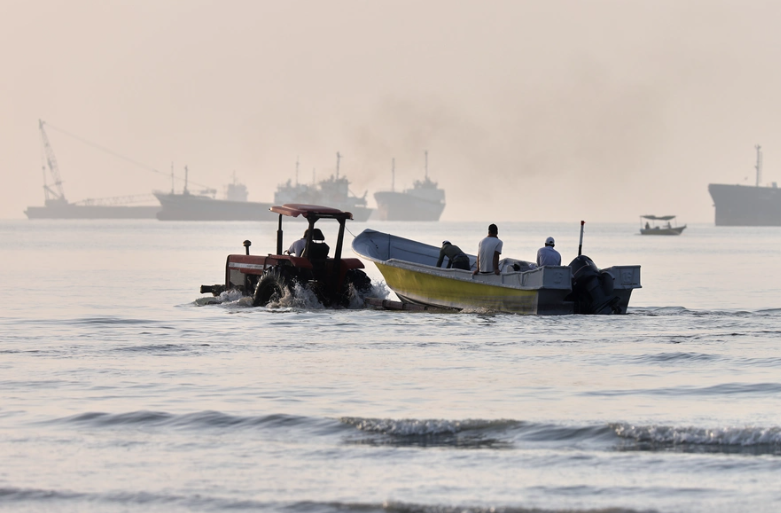
The developments come as the Trump administration reportedly explores measures to encourage shipping companies to return to the strategic waterway. These include proposals to reduce insurance risks and improve security for commercial vessels navigating the narrow passage linking the Persian Gulf and the Gulf of Oman.
According to Politico, officials involved in the discussions are focused on restoring confidence among shipowners after months of disrupted tanker traffic. One anonymous official said, “The President and Susie are giving them explicit orders to figure something out,” reflecting the urgency within the administration to restart normal maritime flows through the strait.
A major obstacle remains insurance coverage. Industry sources cited in the report say insurers have largely withdrawn protection for vessels transiting the area due to heightened risk. “With limited exceptions, every transit [through Hormuz] is violating insurance plans,” one person familiar with the talks said, adding that efforts are underway to restore coverage systems that would allow shipping to resume at scale.
Among the options being discussed is a system of escorted or expedited passage for commercial vessels, designed to reduce exposure to attacks or interference. One person familiar with the discussions told Politico there is “some talk of some expedited escorted passage… like putting a VIP pass on your ship,” suggesting naval escorts or coordinated security arrangements could form part of the plan.
Energy analysts say the US–Iran agreement has eased market concerns, but uncertainty remains over whether it will be fully implemented.
Vandana Hari, founder of the Singapore-based oil market analysis firm Vanda Insights, told Al Jazeera that markets have reacted positively to the agreement, but warned that the hardest phase is still ahead. She said that while relief has returned to trading sentiment, the “hardest part, on delivering the pledges and promises, is yet to come,” highlighting doubts over whether commitments by both sides will be carried out.
The White House has expressed confidence that a formal deal would restore more stable energy flows through the region. Spokesperson Taylor Rogers said the agreement would result in the Strait of Hormuz being “fully open,” adding that the administration expects a return to pre-conflict levels of energy trade if conditions hold.
However, questions remain about the durability of any arrangement. President Donald Trump has also floated the idea of imposing commercial charges on shipping through the waterway, telling reporters, “What about us charging tolls? Why shouldn’t we?” The suggestion has added uncertainty for shipping firms still assessing how a new framework might operate.
Oil markets have already responded to the diplomatic signals, with prices easing slightly as negotiations between Washington and Tehran progress. However, they remain above pre-conflict levels, as traders continue to weigh the risk of renewed disruption in one of the world’s most important energy corridors.
The Strait of Hormuz carries around one-fifth of global oil shipments, including exports from major producers such as Saudi Arabia, Iraq, and the United Arab Emirates. Instability in the waterway typically leads to higher shipping costs, increased insurance premiums, and volatility in global fuel prices.
Maritime traffic through the Strait was severely disrupted following US and Israeli strikes on Iran on February 28. This has contributed to higher fuel prices in Jamaica, which relies heavily on imported petroleum products.
Beyond the United States, European allies are also preparing contingency measures to support maritime security if the agreement is implemented. NATO Secretary General Mark Rutte told Anadolu Agency, the alliance is ready to assist a European-led effort if requested, saying, “Whether NATO will play a role there, yes or no… we are always ready to help if so wanted.”
France and the United Kingdom are among the countries coordinating discussions on a possible maritime initiative to ensure safe passage through the strait. Any such operation would depend on whether the US–Iran agreement holds in practice.
For countries such as Jamaica, developments in the Strait of Hormuz remain critical, as instability in the waterway can quickly feed into higher global fuel prices and domestic energy costs. While diplomatic progress has eased market fears for now, shipping companies and insurers are still waiting for clearer guarantees that stability will be sustained in one of the world’s most sensitive trade routes.