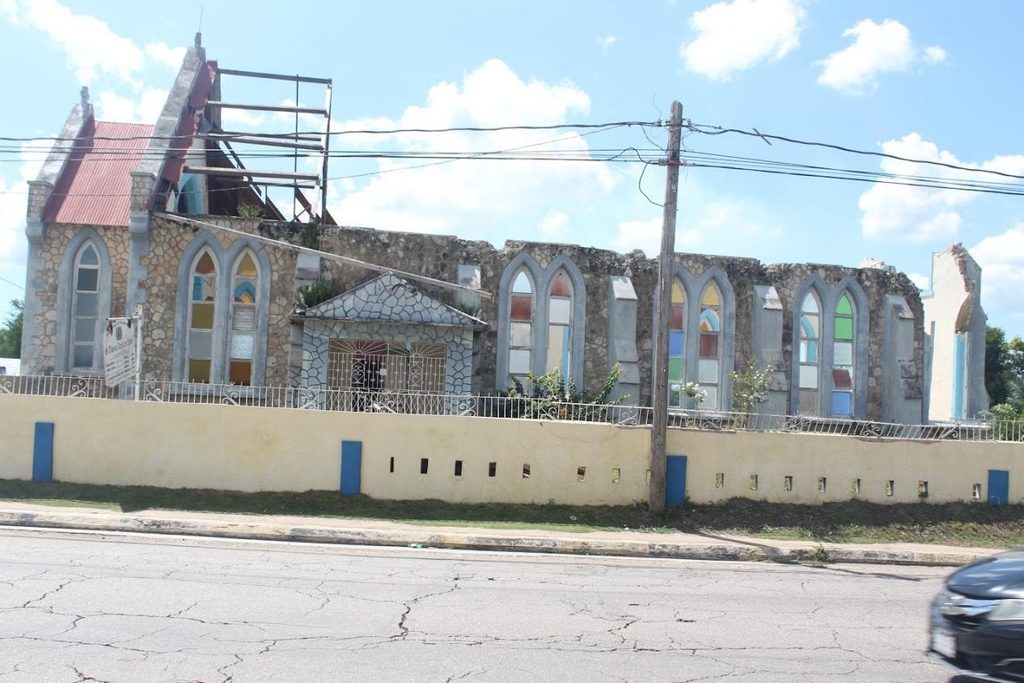
For generations, St Thomas Anglican Church has been a place of worship, celebration and community life in Lacovia, St Elizabeth. But after Hurricane Melissa tore through the historic building last year October, its congregation was left to confront the loss of a place that had shaped their lives for more than a century.
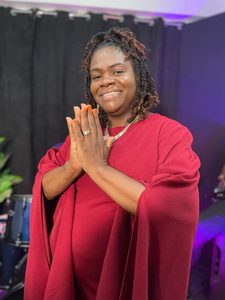
For Stacia William Brown, a longtime member of the church, returning after the hurricane was an experience she will not forget.
Having worshiped there since childhood, William Brown, who is principal of the neighbouring Lacovia Primary and Infant School, initially believed the building had survived the storm. She returned to the area about two days after the hurricane, hoping to assess the damage to the school, but what she discovered when she looked more closely at the church left her devastated.
“When I went that side, I was like, I didn’t know how I didn’t pass out, because it really, really touched me,” she recalled.
The entire roof had been destroyed, wooden beams had fallen, and sections of the walls had collapsed. Almost the entire structure was gone, with only the altar and vestry remaining standing.
“I bawled. Trust me, I was so hurt, you know, just looking at it,” she said.
The destruction was particularly painful because William Brown had witnessed the church’s transformation over the years. She recalled when the building had wooden floors before they were replaced with tiles and remembered contributing ideas and serving in several leadership roles, including treasurer, secretary, and priest warden.
For her, the church was more than a building. It was where she had worshiped for practically, her entire life, and where she had helped others deepen their faith.
“I said, ‘God, my heart is broken,’” she recalled of returning to look at the ruins.
St Thomas Anglican Church has served the community for more than 100 years, becoming an important part of its spiritual and social history. Before other denominations established congregations in the area, it was the principal place of worship for many residents.
Generations of community members were baptised, confirmed and married there, making the church a cherished landmark even among people who did not belong to its congregation.
William-Brown said residents who passed the damaged building expressed sadness at its destruction, recognising that the community had lost an important part of its heritage.
Some continue to contact her to ask when rebuilding will begin, eager to see the church restored.
“They want to see it back in place,” she said, recalling the beauty of the building’s interior and its acoustics. The damage has also affected activities at her school, which previously relied on the church to host graduation ceremonies, Christmas carol services, prize-giving activities and other functions.
With the building no longer available, the school and its wider community have had to adjust to using smaller spaces for events.
The church’s congregation has also had to find a new place to worship. After spending a couple of weeks without services, William-Brown arranged for a classroom at the Lacovia Primary to be used for Sunday services. However, the arrangement requires considerable effort. Each Sunday, members transform the classroom into a worship space, setting up the altar and other items. Everything must then be packed away so the room is ready for classes on Monday morning.
Additional arrangements are necessary for one of the priests, who uses a wheelchair. Members must set up a small wooden ramp to help him enter the building and remove it after the service. Although the temporary arrangement has allowed worship to continue, the congregation is considering expanding into another section at the back of the school because the classroom has become crowded.
The neighbouring Full Gospel Church of God has also offered its building for church functions, including funerals, providing additional support, as the congregation navigates life after the hurricane.
Despite these challenges, the church continues to maintain its programmes and reach out to members who are sick or housebound. Sunday school and youth activities remain part of its efforts to keep younger members engaged, while church groups continue supporting children through back-to-school initiatives.
The congregation has approximately 40 enrolled active members, most of whom are elderly, alongside about 11 or 12 children. William Brown acknowledged that maintaining the church’s activities has become more difficult as some members grow older and others have not returned since services moved to the school. However, the congregation continues to reach out and preserve its connections.
“We are still worshiping because God is alive and well,” she said.
For now, the future of the damaged building remains uncertain. Engineers have visited the site to assess whether it can be repaired or will need to be demolished, and the congregation is awaiting their final report.
As part of the wider Anglican denomination, the church must also await direction from the bishop and church leadership in Kingston before decisions can be made about rebuilding.
In the meantime, members have worked to clear the debris and maintain the grounds, including the lawn and cemetery. Visitors continue to stop at the site to photograph what remains of the historic structure.
William Brown hopes restoration will eventually take place, even if it is not completed in her lifetime. She wants future generations to have the opportunity to see the church standing again.
For a congregation that has worshiped together for generations, the loss of its building has brought grief and uncertainty. Yet its members continue to gather, maintain their programmes and support one another, determined that the destruction of their church will not mean the end of their faith or their community.