
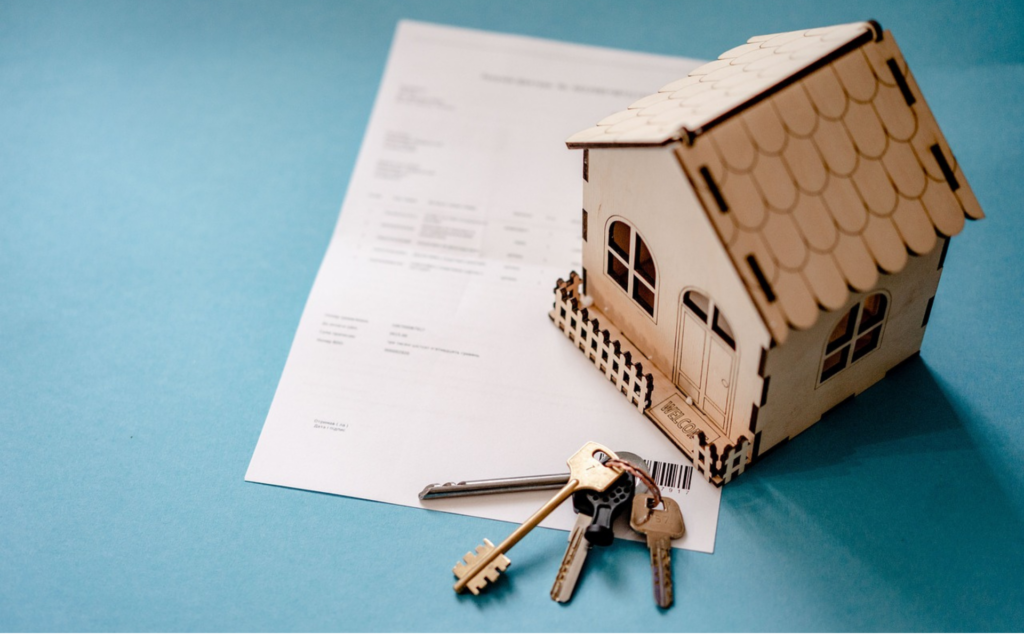
If homeownership is something you’re considering in 2026 — whether early or late in the year — the most important thing to understand is this: preparation matters far more in Jamaica than speed.
This is not a market where rushing helps. In fact, rushing often creates problems.
Titles need to be checked carefully.
Land history matters.
Approvals take time.
Financing has its own local realities.
Starting early does not mean committing early. It simply means becoming informed before emotion enters the equation.
Step One: Understand Financing — Not Just “Pre-Approval”
In Jamaica, the concept of mortgage pre-approval exists, but it does not function identically to the U.S. model.
Local financial institutions consider:
- Income stability and source (especially for self-employed or overseas buyers)
- Credit history (local and sometimes international)
- Debt-to-income ratios
- Deposit strength
- Property type and location
Pre-qualification conversations are often more realistic than formal pre-approvals in the early stages. And buyers should understand that interest rates, approval timelines, and conditions can change.
This is not a flaw — it is simply the nature of the system.
Step Two: Run the Numbers — With Jamaican Realities in Mind
Budgeting for a home in Jamaica means looking beyond the sale price.
Buyers should account for:
- Deposit requirements
- Legal fees
- Stamp duty and transfer tax (where applicable)
- Survey and valuation costs
- Insurance — especially post-hurricane
- Ongoing maintenance
And crucially, buyers must be honest with themselves about lifestyle sustainability. A home should not feel like a financial chokehold.
There is no medal for “stretching the furthest.” Stability is the real win — because when the rain comes sideways, you don’t want your finances leaking too.
Step Three: Define Non-Negotiables — But Keep Them Grounded
Many buyers come into the market with long wish lists shaped by social media, overseas exposure, or idealised versions of “the dream home.”
In Jamaica, clarity beats fantasy.
Non-negotiables might include:
- Location relative to work, family, and schools
- Flood risk and drainage history
- Construction type and elevation
- Access to utilities and road infrastructure
- Community character and safety
Flexibility can exist — but only once the fundamentals are right. As the saying goes (and this is where we allow ourselves one smile): you can paint over bad tiles, but you can’t tile over bad judgement.
Step Four: Choose Representation Early — Not Just When You’re Ready to Buy
In Jamaica, the role of a real estate professional is often misunderstood. Too many people see agents as people who “find houses,” rather than professionals who help navigate complexity.
The right agent helps you:
- Understand pricing in context, not hype
- Identify red flags early
- Ask the right questions of sellers and developers
- Coordinate with attorneys, valuators, and lenders
- Pace your decision-making
Choosing an agent early does not obligate you to buy. It simply gives you a clearer lens through which to view the market.