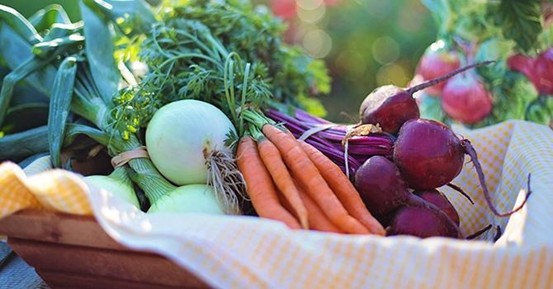
Claudia Adams was looking forward to preparing the cabbage she had purchased during a trip to her local market following the passage of Hurricane Melissa. But instead of getting to partake of the sumptuous meal she had envisioned, the born-again believer was shocked to realise the cabbage was not fit for consumption.
“The cabbage was so hard. When I took it home, and I tried to cut it with a knife, it was so hard. I had to put extra pressure on it to cut it. It was so hard. And while cutting the cabbage, the Holy Spirit said to me, ‘Burn a leaf of the cabbage,’” she told the Freedom Come Rain recently.
“In obedience to the Holy Spirit, I light the stove and I took one of the leaves of the cabbage and I tried to burn it. And I burn it, I burn it, I hold it [flame] on it for quite a while trying to burn it, and the cabbage would not burn. It would only get like a little blackness on it, like soot. And when I wipe it off, the cabbage is still green. So, it would not burn. So, I eventually didn’t consume that cabbage because I said, ‘No, if you consume that cabbage, what it will do to your system because that cannot be broken down in your system,’” she recounted.
Adams revisited the market, informed the vendor of her dilemma, and learnt that the cabbage had been imported. Adams now warns Jamaicans to be vigilant and discerning when purchasing and consuming food.
The warning comes at a time when Jamaica has been flooded with imported food to meet the demand for produce in the aftermath of Hurricane Melissa. The category 5 hurricane caused wide scale damage to farms in Western Jamaica, particularly in St Elizabeth, the country’s breadbasket. Preliminary assessments of the hurricane’s impact on the farming community showed losses of approximately $29.5 billion, affecting more than 70,000 farmers and impacting 41,390 hectares of farmland.
Agriculture Minister Floyd Green had announced in November that the government would be importing a variety of fruits and vegetables, including tomatoes, lettuce, sweet pepper, cabbage and papaya. He said this was necessary to stabilise supply and protect households’ food security.
Adam’s story of faulty imported produce is not a stand-alone case, as a recent video on social media shows a Jamaican woman encountering a similar product. In her case, she stated that she had purchased a cabbage and tried to boil it before finding out that the cabbage appeared to be made of plastic.
The issue of faulty imported produce does not start with the discovery of plastic food. It stems from the very production of these imported food to its exportation and storage. Naturopathic doctor, Debra Williams, has been sounding the alarm that the contents of imported genetically modified (GMO) food pose health concerns for consumers.
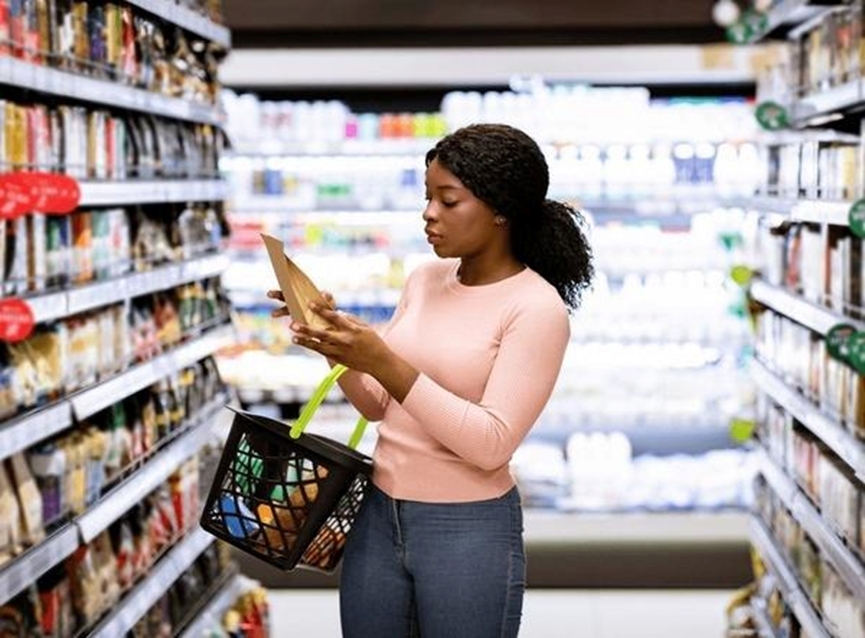
“Genetic engineering,” she explains, “involves directly altering a crop’s DNA by inserting genetic material from other organisms—bacteria, viruses, or other plants—to express desired traits. For example, Bt corn contains a gene from the Bacillus thuringiensis bacterium, causing the plant to produce a toxin that punctures the gut lining of certain insect pests. While Bt is a natural soil bacterium, its toxin would not be present throughout a corn plant’s tissue without genetic intervention.”
She also explains that the risk lies in the fact that the generation of these crops was not primarily engineered for consumer benefit. Instead, it was for agricultural management.
“The most prevalent traits are: 1) Herbicide Tolerance (HT). Crops (like Roundup Ready® soy, corn, and cotton) are engineered to survive direct spraying with broad-spectrum herbicides, most notably glyphosate. And 2) Insect Resistance (Bt): Crops (like Bt corn and cotton) are engineered to produce their own insecticidal proteins derived from the soil bacterium Bacillus thuringiensis (Bt).”
Dr. Williams also believes that public health concerns continue to stem from both the genetically modified organisms themselves and the agricultural system that they enable, especially the increase in herbicide use. She states that the potential for new allergies, the creation of new proteins, and the correlation with chronic disease epidemics are some of the issues highlighted and debated in the medical community.
In addition, she says that the “most significant and documented public health threat is not the genetic modification per se, but the toxic chemicals used in conjunction with GM crops. Over 80% of GMOs worldwide are engineered for herbicide tolerance, leading to a dramatic increase in the use of associated chemicals.”
Meanwhile, Adams is urging her fellow consumers to be vigilant as they make their purchases and to be attentive to the voice of God as He instructs them.
“Cause if I had not obeyed the Holy Spirit and had consumed that cabbage or said, cho, it’s my mind, or is something telling me, then maybe I would have consumed that cabbage, and it would cause me to get sick.”