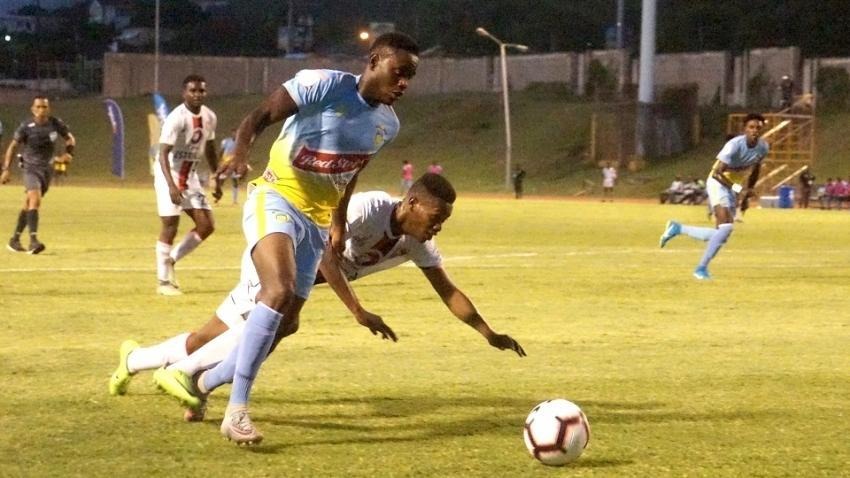
Jamaica’s football structure, from the ever-entertaining powerhouse schoolboy football to the island’s top professional competition, has been thrown off course by the destruction left behind by Hurricane Melissa. The Category 5 storm tore through western and southern parishes, damaging homes, schools, stadiums, and roadways, and forcing organisers to halt major competitions just as the season was building momentum.
The Inter-Secondary Schools Sports Association (ISSA), which oversees the Manning Cup and DaCosta Cup, suspended matches as the storm approached, and the restart date remains uncertain. Several schools in key football parishes have reported severe damage to classrooms, dormitories, and playing fields, while many student-athletes are dealing with the personal impact of lost homes, displaced families, and communities still without electricity or running water. For ISSA, player welfare and access to usable facilities now outweigh tournament timelines, and any restart will depend on how quickly schools can return to normal operations.
The disruption goes beyond cancelled matches. The schoolboy competitions are Jamaica’s most important talent pipeline. They not only shape young players but also provide exposure to scouts, universities, and professional clubs. A prolonged pause risks derailing scholarship plans, delaying scouting windows, and interrupting the development rhythm of players hoping to move into the senior ranks.
That senior platform has also been hit hard. The Jamaica Premier League postponed its Match Day 10 fixtures and is still evaluating when competition can safely resume. Several clubs are based in parishes where training grounds, community fields, and even club offices were damaged. League officials have acknowledged that they are now balancing competition planning with the reality that many players and staff are busy trying to repair homes, support families, and cope with the emotional and mental strain of the disaster.
Administrators from both the school and professional levels have stressed that rebuilding football will have to go hand in hand with rebuilding communities. Conversations are already taking place about possible neutral venues, revised calendars, and support systems for affected players, but no timeline has been confirmed. What is clear is that the impact is layered: damaged infrastructure, disrupted travel routes, financial strain on schools and clubs, and a shaken development pathway that relies on continuity from youth to pro.
Despite the setbacks, organisers have signalled determination rather than defeat. Both ISSA and the Premier League have expressed confidence that football will return, even if the road back is longer than first hoped. Coaches and club leaders have also begun using team networks to help with community relief, a reminder that in Jamaica, football is not only a sport but a social anchor.
The challenge now is not simply to restart fixtures but to preserve the structure that has produced generations of national talent. Losing weeks or months of competition would affect more than scorelines; it could slow the rise of the next wave of Jamaican footballers. But there is also a growing sense that, as the island rebuilds, the sport will have a role to play in restoring normalcy and hope.