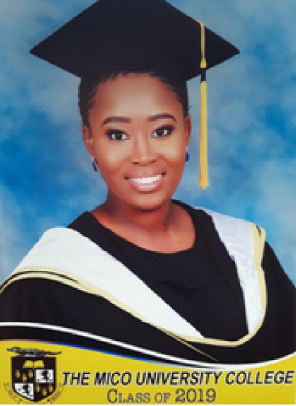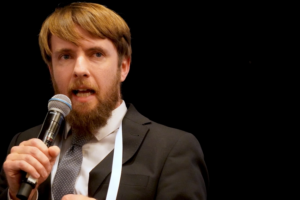

The following is an interview by Deaconness Earlette Davis with Ms. Leonie Reid, an associate psychologist and lay pastor. Ms. Reid shares highlights of her experience with dyslexia and how she managed to achieve educational excellence.
According to the Oxford Dictionary, dyslexia is a condition of neurodevelopmental origin that mainly affects the ease with which a person reads, writes, and spells. It is typically recognised as a specific learning disorder in children. The assessment process should involve a comprehensive evaluation conducted by a licensed psychologist, focusing on various cognitive and academic skills. It would include standardised tests to measure decoding ability and reading fluency.
Q: Ms. Reid, one could never hear you speak and determine that you struggled with such a disorder. How and why were you assessed for dyslexia?
A: The primary motivation for seeking an assessment stemmed from ongoing challenges I faced during my early educational journey. Despite putting forth significant effort, I found myself struggling to grasp complex texts and often required additional time to complete reading assignments. Despite my strong verbal skills and critical thinking abilities, I felt hindered in written assignments, prompting my parents to search for answers through a formal assessment. The results confirmed that I had dyslexia. The assessment did identify significant discrepancies between my verbal intelligence and reading performance.
Q: Can you describe some of the challenges faced with dyslexia during your early educational years?
A: One of the challenges I faced was difficulty in decoding words. I usually struggle to match letters with sounds, making reading tasks particularly daunting. For example, while a typical first grader may easily read simple texts, I took significantly longer to sound out words. Another significant challenge is spelling words correctly. Additionally, I found it hard to formulate sentences or put thoughts on paper, leading to incomplete assignments and a diminished desire to engage in writing or public speaking tasks.
Q: Ms. Reid, based on my research, a combination of tailored strategies and specific tools is designed to address the unique challenges faced by individuals with this learning disability. What are some of the strategies that were used and were most effective in managing dyslexia?
A: The most effective strategy was multi-sensory learning. This approach involves using sight, sound, touch, and movement to help connect language with different senses. By engaging multiple senses, the brain creates stronger connections, making it easier to remember and understand written languages. This method has been refined with modern tools like interactive whiteboards and tablets, allowing for children diagnosed with dyslexia to have more dynamic and engaging multi-sensory activities than I had when I was first diagnosed.
Q: How have your family and friends supported you on your journey with dyslexia?
A: It was difficult for me, especially with a twin brother who excelled academically as an A-stream student. However, my family and friends played a crucial role in supporting my journey. They recognised the impact of dyslexia, but they created a space for me and celebrated my strengths in problem-solving, creativity, and verbal communication.
Q: Has dyslexia influenced your academic focus?
A: Yes, it has. In my academic life, dyslexia manifested as difficulty decoding words and comprehending written text. This made reading assignments time-consuming and frustrating, often requiring extra effort and alternative learning strategies. But I progressed through my secondary and undergraduate studies, and I discovered that the dyslexia fostered strengths that complemented my academic pursuits.
I developed exceptional problem-solving skills, learning to approach challenges creatively and to think outside the box. My auditory learning style became an advantage in lectures and discussions, allowing me to absorb information effectively through listening. These experiences instilled in me a deeper sense of empathy and a desire to help others overcome their obstacles and challenges.
Q: What advice would you give to students who are being challenged with dyslexia who aspire to achieve higher education?
A: With God, all things are possible, so for students with dyslexia aiming for higher education, the path may seem challenging, but it is achievable. Success requires understanding your learning style, leveraging available resources, developing effective strategies, believing in yourself, and trusting God. Also, advocate for yourself. Understand your rights as a student with dyslexia and be prepared to communicate your needs to your lecturers and administrators.
Q: As a professional, have you experienced any issues with dyslexia that affected your work performance?
A: At this time, I would say no. Navigating a professional life with dyslexia, particularly in my field, where it demands strong communication and analytical skills, presents unique challenges. I have never been the best speller, but this has not significantly affected my ability to perform in my profession.
Q: How do you think society can better support individuals 0who have been diagnosed with dyslexia, especially in an academic setting?
A: Dyslexia appears to be a learning disorder affecting many Jamaicans. It requires comprehensive support structures, particularly in the academic setting. This should include educational reform, teacher training, and awareness campaigns. The curriculum should be designed to accommodate children with diverse learning styles and incorporate technology like personalized learning software.
Professional development for teachers is crucial, with workshops and national training programs introducing skills to create a more inclusive classroom. The reality is that we have students with different learning styles all in the same class, so teachers will then need to prepare a more inclusive classroom or even explore mentorship programmes, as this can provide motivation and practical advice for children being diagnosed with various learning disabilities.
Awareness campaigns should be created to dispel some of the myths about dyslexia. It may be felt that because a child is struggling academically, the child is a dunce, but it’s not so; it means that the child is facing a challenge, and if it is being addressed, then the child will be able to excel academically. By implementing these changes, society can create a more inclusive academic environment that empowers dyslexic students to reach their educational goals. This would also enrich the educational landscape.
Ms. Reid, thank you very much for these insights and I hope that your responses will motivate and help both parents and children who are pressed with dealing with the challenges associated with dyslexia to never lose hope. I pray that the information shared in this interview will arm parents with some knowledge and tools needed to receive the assistance necessary to combat this learning disability. It is also hoped that educators will be empowered to help parents and students make use of the resources provided for educational success.