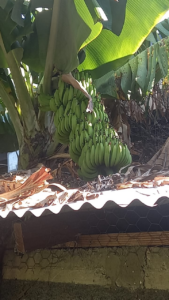
Jamaicans are known worldwide as strong, resilient people. When the Category 5 hurricane Mellisa passed through, life changed. With homes destroyed, roads blocked, shops closed, electricity gone, one of the first concerns is how to feed your family until things settle.
But even after the strongest storms, Jamaica still provides. Many of the foods around us—in our yards, along the roadside, in bushy corners—are naturally able to survive winds and heavy rain. These plants kept our ancestors nourished, and they can do the same for us now.
SAFETY
Before we start on our foraging journey, let’s talk safety. These simple precautions can help protect your family.
- First, do not use anything touched or submerged in floodwater; throw it away.
- Make sure to wash all produce with clean, boiled, or bottled water.
- Eat only plants that you can clearly identify. When in doubt, cook it. Boiling or steaming makes most foods safer.
- Fruits should be peeled, and any damaged spots cut from fallen produce.
Even in hard times, taking these small steps can help prevent illness, and remember that simply washing our hands with clean water and soap also helps.
My aim with this article is to provide practical and safe suggestions for using familiar foods that often remain available after a hurricane, along with the nutritional value they offer. I want to help you maximise the foods you already know, even if some methods are new to you.
- BREADFRUIT
Breadfruit can easily be called Jamaica’s “stormproof blessing”. The trees are flexible enough in strong winds. And while it’s possible to lose some limbs, it’s rare to lose the entire tree. The fruit also handles rough weather well.
How to Use It:
The generosity of this tree is that both the young and overripe fruit are useful. While the young and full breadfruit can be boiled, roasted, fried, mashed, or grated for fritters, the very ripe fruit can be used for porridges and pancakes.
Nutritional Benefits:
Breadfruit gives us steady, filling energy with a host of important vitamins like vitamin C and B vitamins, including B1, B3, and B5. We get useful amounts of minerals such as potassium, calcium, magnesium, phosphorus, and iron in as little as one cup of the fruit.
Breadfruit may not have much protein, but it contains what’s called a “complete protein” because it provides all nine essential amino acids. It is high in complex carbohydrates, which provide energy, and it also carries a good amount of dietary fibre for digestion.
Check the Ministry of Agriculture, Fisheries & Mining Facebook page for more information on breadfruit at the following link: https://web.facebook.com/moafjamaica
- SOUR SOP
Many people know soursop as a soft, juicy fruit when ripe, but did you know that the young soursop can be cooked like a vegetable and still taste delicious?
How to Prepare:
Peel the young fruit and cut it into steaks or cubes; remove the seeds and set aside while we make the marinade.
In a bowl, let’s add oil, lime or sour orange juice, freshly grated ginger or powder, freshly grated garlic or powder, a Tbsp of honey or sugar, freshly grated turmeric or powder, a touch of scotch bonnet pepper, thyme, escallion, or other herbs, and salt to taste.
Place the steaks or cubes in the marinade to soak up the deliciousness for 20-30 minutes!
We will then pan-fry until golden. You can use the leftover marinade as a dipping sauce.
Nutritional Benefits:
Soursop provides vitamin C to help build immunity, fibre for digestion, potassium, and natural energy from the carbohydrates. I’m certain that no one needs to remind us about the deliciousness of the ripe fruit.
- SPANISH NEEDLE, SWEET POTATO AND PUMPKIN LEAVES
Spanish needle is a common Jamaican roadside plant with small, white, daisy-like flowers and thin green leaves. They grow almost anywhere—empty lots, yards, hillside paths—and often survive storms with no trouble. Even though we usually think of Spanish Needle as a weed, it’s actually a useful and nutritious wild green that can be eaten or brewed as a tea.
Look in your garden; even though you may not have any sweet potato to dig or pumpkin that is ready to harvest, the leaves and vines of these two plants are edible.
How to Prepare:
Simply harvest the young leaves of pumpkins, sweet potatoes, and the soft growing tips, tender shoots, and young leaves of the Spanish needle.
Remove the fuzzy outer skin of the pumpkin leaf by pulling it from the stem toward the tip—this makes the greens tender, easy to cook and pleasant to eat. Rinse everything well, and chop.
Steam in a little coconut oil (or whatever oil you have) with onions or escallion, thyme, garlic, and a pinch of salt. Add a little Scotch bonnet for flavour. Everything marries together nicely to create a hearty, nourishing pot of greens using what the storm has left behind.
All three can be steamed, sautéed, added to soups, or combined. They cook quickly and work well with minimal seasonings, making them ideal when resources are limited.
Nutritional Benefits:
These reliable recovery greens are all rich in vitamin A and minerals—calcium, iron, magnesium, and potassium. Filled with fibre for digestion and gut health, they keep you feeling fuller for longer.
Reminder: Follow the directions at the beginning of the article about proper cleaning.
4. TUNA CACTUS (NOPAL)
Tuna cactus is tough—it withstands strong winds, and when pushed over, it just keeps on growing.
Important First Step: Carefully remove ALL the spines, especially the tiny ones, before preparing.
How to Use:
Let’s start with a no-heat raw salad.
Peel and soak the pads in clean, cool water for 30 minutes. This will allow the gel (mucilage) to be released in the water. Remove from the water and place the liquid aside. You can also boil the pads for 15–20 minutes in lightly salted water until the cactus looks bright green and the slime is reduced; drain and rinse in cool water. If water is limited, you can also grill or roast the pads whole, then slice them—roasting reduces the slime as well.
Next, dissect the pads that you soaked. If you have tomatoes, chop a small one, a small onion or 2 stalks of thinly sliced scallion, a squeeze of lime or sour orange, a little oil, and salt to taste.
Optional: chopped sweet pepper, cucumber, thyme, a bit of grated ginger or garlic, or a pinch of black pepper. Combine everything, mix well, and let rest for 5-10 minutes.
The salad can also be cooked and turned into a hot meal by simply adding it to stir-fries, stews, or sautéing it with added seasoning.
Tuna Gel: After boiling or soaking the tuna, you’ll notice a thick, slippery gel in the water. If hot, let it cool and sip it throughout the day to aid in hydration and restore electrolytes. It is gentle on the stomach. It is traditionally used to soothe sore muscles and strains.
Nutritional Benefits:
● Vitamins C and A—immune health; tissue repair; vision; and immune defence.
● Minerals—calcium, magnesium, and iron for bone and muscle health, relaxation to reduce cramping, and red blood cell formation.
● Fibre—aids gut health, especially important when diets are disrupted.
● Soluble fibre from the cactus gel helps to slow sugar absorption, supports digestion, and may help regulate blood sugar.
● Antioxidants—help reduce oxidative stress.
(Note: The Tuna plant is one of the most underrated foods in Jamaica.)
5. PURSLANE
Purslane is a low-growing green often found in gardens, yards, and open lots. It has small, succulent leaves and reddish stems, and it usually survives heavy rains and rough weather. Though many people consider it a “weed”, purslane is packed with nutrients that are especially helpful when other foods are scarce.
How to Use:
Here is a simple purslane salad recipe:
Ingredients:
2 cups cleaned purslane (leaves and tender stems)
1 small tomato, chopped
½ small cucumber, diced (optional)
½ onion or a stalk of escallion, finely sliced
1–2 teaspoons oil (coconut, vegetable, or olive)
Juice of 1 lime or ½ sour orange
Salt to taste
Optional: a little Scotch bonnet pepper or fresh herbs, if available.
Directions:
Mix everything, let it rest for 5–10 minutes, and enjoy.
Note: If water safety is uncertain, lightly sauté the purslane with oil, onion, and garlic before mixing.
Nutritional Benefits:
It is a small plant packed with potassium, magnesium, iron, vitamin C, and even omega-3 fatty acids, which are rare in leafy greens, and the minerals help replenish electrolytes. It’s like finding a multivitamin in your yard.
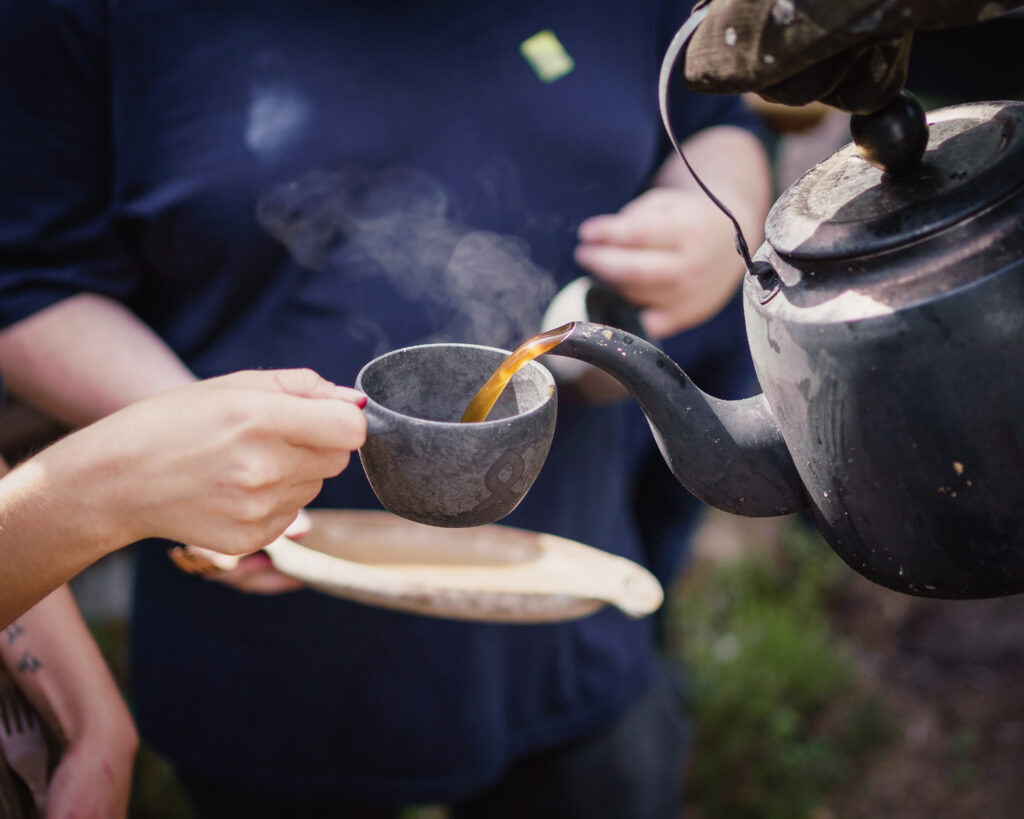
6. TEAS
On a final note, let’s remember the part that teas play in emergency recovery. After a hurricane or other emergency, clean water and food can be limited, and your body may need extra support. Herbal teas from familiar, safe plants can help in several important ways:
Hydration
● Many teas are mostly water, which can help keep the body hydrated and nourished.
● Drinking warm or cool tea can be gentler on the stomach than plain water for some people.
Nutrient Support
● Teas made from leaves, flowers, or young shoots often contain vitamins, minerals, and antioxidants, sometimes in higher concentrations than the fruit itself. For example, pimento leaves, lemongrass, or guava leaves can supply vitamin C, calcium, and other helpful compounds.
Gentle Digestion
● Herbal teas can soothe the stomach, support digestion, and help prevent discomfort from irregular meals, stress, and gas.
Flavour and Comfort
● In times of uncertainty, a warm cup of tea offers comfort, warmth, and a sense of normalcy—important ingredients for emotional recovery.
Soup and Broth Base
● Teas can also double as a starter for soups or broths, adding nutrients and mild flavour to emergency meals without extra ingredients.
Key Tip:
Only harvest plants you know well. Avoid unknown leaves or plants, especially in post-storm conditions when some vegetation may be contaminated.
JAMAICA WILL RISE AGAIN
After a major storm, feeding yourself and your family can feel overwhelming but remember—our land is rich. Many foods that grow right around us survived the winds and rain and are ready to help you through the recovery.
With careful picking, simple cooking, and a little creativity, you can prepare meals that are safe, filling and nourishing, until shops reopen and life returns to normal.
A quick peek into my next article: I’ll be looking at papayas, which are a culinary delight when very green. Steamed, they look and taste just like chocho. I will share with you how green papayas helped save my life on one occasion.
We are in this together.
And together, we will rise again.
We are in this together.
And together, we will rise again.
N’Zinga Kifungie is co-owner of Irie Lyfe and Twisting Creek Ital Farm located in St. Thomas, Jamaica.