High Blood Pressure (HBP), also known as Hypertension, is a medical condition in which the pressure of the blood, when measured, is higher than 140/90.
The blood pressure measures the force that the blood exerts on the walls of the blood vessels when going to the different organs. The heart is the pump that pushes the blood around the body.
If the blood pressure is elevated for too long, it creates a strain on the heart and damages various organs.
Sometimes, a sudden swing in blood pressure can cause serious and immediate damage as well, such as a stroke.
HOW DO YOU KNOW IF YOU HAVE HBP
A, NO Symptoms but discovered on routine check
You may have ZERO symptoms and have hypertension.
Oftentimes, patients just do a random check-up and discover that their blood pressure is elevated.
Unfortunately, a person may have a heart attack or stroke, and that’s the first time they know they are hypertensive.
It is, therefore, crucially important to have a blood pressure check done every few months.
Generally speaking, if your blood pressure is elevated for more than two readings over a week apart, you’re considered hypertensive.
B. Having Symptoms
Some persons experience:
· headache
· dizziness
· pounding sensation in head
· get tired easily
· shortness of breath, or even
· heart palpitations in which the heart seems to skip a beat or race.
Dr. Jen says:
The standard for diagnosing hypertension is sustained blood pressure readings over 140/90, and in some centres, 120-130/80, depending on age.
WHAT DO THE BLOOD PRESSURE NUMBERS MEAN?
The blood pressure measurement has two numbers, the:
- Top or Systolic pressure and
- Bottom or Diastolic pressure.
The top number gives a reflection of how high the blood pressure goes when the heart is contracting/pumping. The bottom number reflects the blood pressure when the heart is relaxed.
A healthy person’s blood pressure is lower than 130/80. Most centres aim for 120/80 in younger individuals.
Between 130/80-140/90 is considered Pre-Hypertension—the stage before full-blown Hypertension.
And as I stated before, > 140/90 is considered Hypertension or High Blood Pressure.
Dr. Jen says:
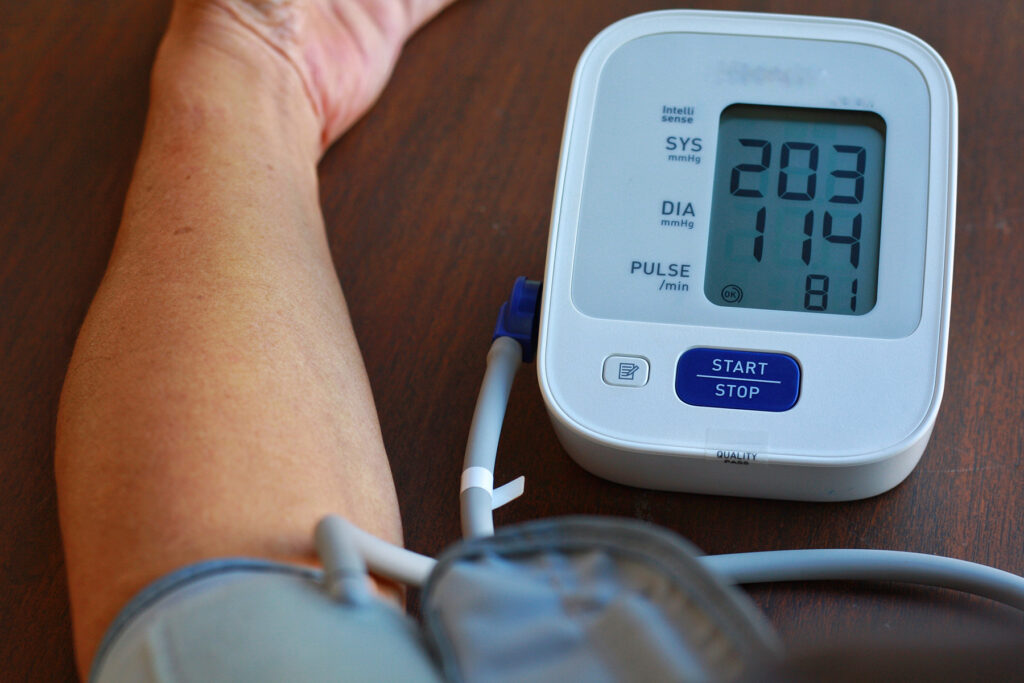
There are certain levels of blood pressure that require urgent and even emergency treatment to prevent a major complication such as a stroke. A blood pressure >180/110 is dangerous, no matter the cause.
An Important Note on Low Blood Pressure
A person with High BP can experience a dramatic drop in blood pressure for several reasons. Most commonly, the medication dosage may need to be adjusted by your doctor, or there may be some medical issue, especially in the elderly.
Symptoms such as feeling like you’re going to pass out or faint, weakness, lightheadedness, or dizziness require your BP to be checked and a visit to your doctor right away.
RISK FACTORS FOR HYPERTENSION
Based on several scientific studies, there are several risk factors for High Blood Pressure (i.e., associations that increase your risk for a disease):
- Genetics/family history
- Overweight/Obesity
- Sedentary Lifestyle – inactivity
- Stress (= Lack of Peace)
- Cigarette smoking
- Excess Alcohol
- Poor diet – high salt
- Age
- Nutrient deficiencies – low potassium, vitamin D
- Dehydration
HBP can be caused by other problems such as kidney disease, diabetes, obstructive sleep apnoea, thyroid, and adrenal problems as well.
Certain medications can raise the BP as well, such as decongestants in cold medicines, birth control pills, etc.
COMPLICATIONS OF HIGH BLOOD PRESSURE – PROBLEMS
Because the blood goes to every organ, when the blood pressure is high, every organ can be affected.
Most times the impact is gradual, and only over time is the damage seen. For example, with the heart – an enlarged heart can progress to cardiomyopathy and heart failure, or there may be gradual blindness with the eyes, kidney failure, circulation issues, etc.
Sometimes, if the blood pressure rises sharply, the patient may have a stroke, a bleed in the eye, or a heart attack.
The organs that tend to be affected the most are:
- Heart
- Kidneys
- Brain—memory problems, dementia, strokes, aneurysms, etc.
- Penis with erectile dysfunction
- Circulation issues, especially to the legs (Ischemia)
The GOOD news is that High Blood Pressure is very treatable and, in some cases, curable. Therefore, most of these complications are avoidable… if you’re willing to do what it takes
THINGS YOU’LL NEED
Blood Pressure (BP) Machine
I believe that ALL patients with hypertension should get a blood pressure (BP) machine. They are affordable and serve as important monitoring tools.
Log Book
To keep track of your BP readings at regular intervals, your symptoms, etc.
Pill Organizer
To keep your medications organised.
Medical Supervision
You should be under your doctor’s supervision
You also should have a fair understanding of any tests that you’ve done and keep track of your progress yearly, including labs, ECG heart test, etc.
Look out for my next article where I’ll continue with Hypertension.
Until then and with love, Dr. Jen.
________________________
Serving God and the elderly are two of Dr. Jennice’s passions. A house call doctor and health educator, she has been a Christian from her youth.