The World Bank has been promoting LGBTQ+ inclusion as critical for poverty reduction and sustainable development in African, Latin American and Caribbean countries.
In a blog that was published on its website looking at the opportunities and challenges for LGBTI people in Latin America and the Caribbean, several recommendations were given for making members of the LGBTQ community feel included in societies in the region.
”The LGBTI community in Latin America and the Caribbean, like in many other regions, faces numerous challenges that impede its socio-economic inclusion. LGBTI people suffer lower education outcomes due to discrimination, bullying, and sometimes school violence,” stated a blog on the World Bank’s website, which went on to assert that accessing health care, financial services, and the housing market were challenges for those in the LGBTQ community. It said, “Stigma and bias also often prevent them from engaging in the political process.”
“The absence of a supportive legal framework further exacerbates the challenges faced by LGBTI people. For instance, same-sex marriage is still not recognised in many countries, nor is the right to change gender markers in official documents. The World Bank, therefore, recognises the inclusion of sexual and gender minorities as a priority,” stated the blog posting in 2023.
The bloggers went on to quote a representative from the Equality for All Foundation in Jamaica, the same lobby which announced plans to launch its Queer Agenda for Jamaica next week Tuesday.
“The absence of anti-discriminatory laws, criminalisation of same-sex marriage, no protection against discriminatory job dismissals, and access to housing are only a few of the challenges faced by the LGBTI community in Jamaica,” said Karen Lloyd, Associate Director of Equality for All Foundation in Jamaica.
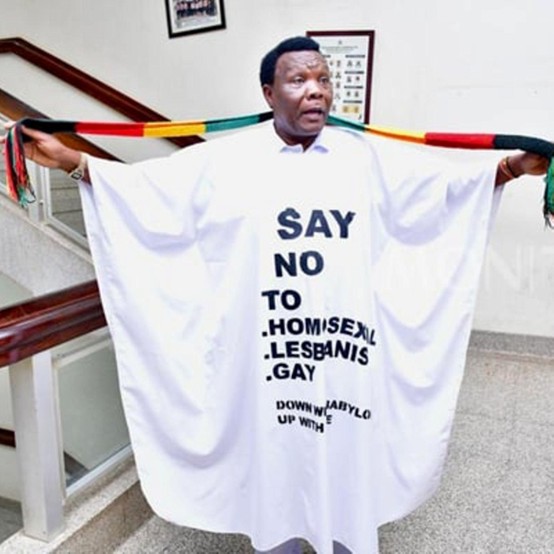
The World Bank implemented a freeze on funding to Uganda in 2023, following the country’s enactment of its anti-LGBTQ laws. The international lending agency said in a statement issued in August 2023 that the laws contradict its values.
“Immediately after the law was enacted, the World Bank deployed a team to Uganda to review our portfolio in the context of the new legislation. That review determined additional measures are necessary to ensure projects are implemented in alignment with our environmental and social standards. Our goal is to protect sexual and gender minorities from discrimination and exclusion in the projects we finance. These measures are currently under discussion with the authorities,” the World Bank stated. The banklifted the freeze on loans to the East African nation in June this year.
Ghana president John Dramani Mahama said during an interview earlier this year that multilateral institutions such as the International Monetary Fund (IMF) and the World Bank should not interfere in cultural matters, including Ghana’s Human Sexual Rights and Family Values Bill, commonly referred to as the anti-LGBTQ bill.
“I believe that multilateral institutions should avoid getting into cultural matters. This is a diverse world. We have different cultures, and so I don’t think multilateral institutions should include, you know, cultural imposition as part of their mandate. I don’t agree with that,” he told Bloomberg TV during an interview in March.
The move to legalise homosexuality
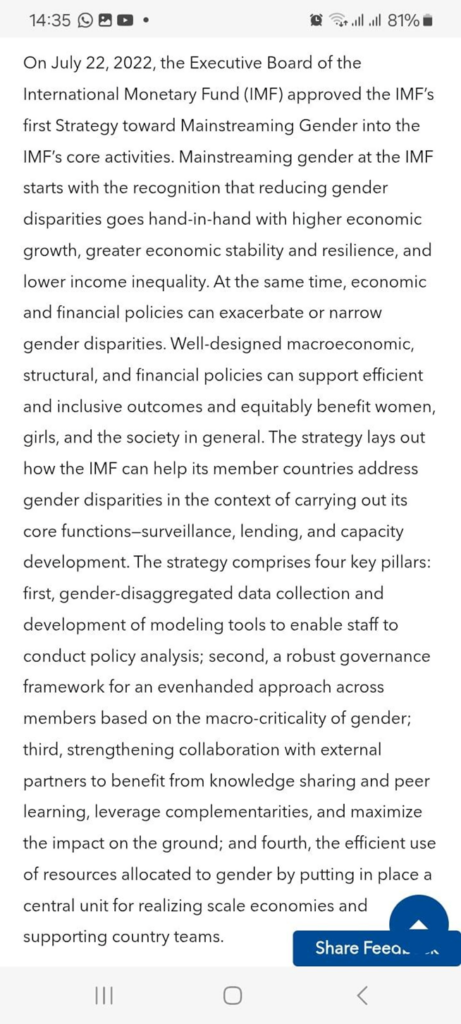
Several international lending agencies now have policies in place that prioritizes the promotion of so-called LGBTQ rights and the mainstreaming of gender. Here are a few:
The Inter-American Development Bank (IDB)