Rising tensions between the United States and Iran are threatening to disrupt this summer’s FIFA World Cup, placing the participation of Iran’s national team in serious doubt and raising broader concerns about logistics, security, and tournament integrity.
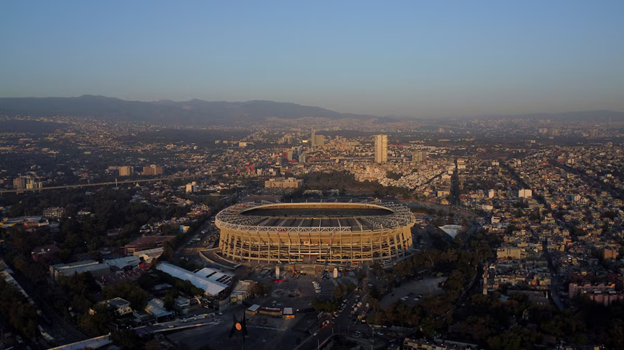
The tournament, scheduled for June 11 to July 19, co-hosted by the United States, Canada and Mexico, was expected to be a celebration of football’s global unity. However, escalating military conflict involving the U.S., Iran and its regional allies has shifted focus from sport to geopolitics.
Safety concerns and political rhetoric
U.S. President Donald Trump has sent mixed signals regarding Iran’s participation. While initially stating the Iranian team would be welcome, he later suggested it may not be “appropriate” for them to attend, citing concerns for their “life and safety”.
These comments have fuelled uncertainty, particularly after Iranian officials pointed to the U.S. leader’s remarks as evidence that adequate security cannot be guaranteed.
Iran’s Sports Minister, Ahmad Donyamali, has taken a firmer stance, declaring that the country would not participate “under no circumstances” given the current conflict.
Meanwhile, Iran’s football federation president, Mehdi Taj, has indicated that the team may refuse to travel to the United States entirely, emphasising ongoing concerns over player safety and political tensions.
FIFA maintains official stance
Despite the growing uncertainty, FIFA has remained committed to the existing tournament schedule. FIFA President Gianni Infantino has said he received assurances from President Trump that Iran would be “welcome to compete”, reinforcing the organisation’s position that football should remain a unifying force.
In its latest communications, FIFA reiterated that it expects all teams to compete “as per the match schedule,” signaling resistance to any late changes such as relocating Iran’s matches to Mexico. However, behind the scenes, FIFA is reportedly in ongoing discussions with participating nations, including Iran, as it monitors the evolving situation.
Potential disruption to the tournament
Iran, who have qualified for a fourth consecutive World Cup, are scheduled to play all group-stage matches in U.S. cities. Any withdrawal or relocation would present major logistical challenges, including venue changes, ticketing disruptions, and possible replacement by another nation.
There are also broader implications for the tournament’s credibility. A withdrawal could lead to disciplinary action from FIFA, including fines or future bans, while forcing organisers to find a last-minute replacement team.
A familiar intersection of politics and sport
This would not be the first time political tensions have spilt into football’s biggest stage. Historically, matches involving the U.S. and Iran have carried significant political symbolism, but the current situation represents a far more serious threat to participation and tournament planning.
For fans and stakeholders, the uncertainty underscores how global events can reshape even the most meticulously planned sporting spectacles. With just months before kickoff, FIFA faces mounting pressure to balance political realities with its mission to deliver a seamless and inclusive World Cup.
Whether diplomacy prevails or tensions escalate further, the situation remains fluid, leaving the football world watching closely as geopolitics threatens to redefine the road to football’s biggest global competition.