

For decades, millions of women have had challenges navigating periods, stubborn weight gain, and fertility struggles, and have known their condition by a singular name: Polycystic Ovary Syndrome (PCOS).
Many women may go their whole lifetime having this condition but are undiagnosed. It affects approximately 1 in 8 women worldwide, totaling over 170 million people. Alarmingly, public health data estimates that up to 70 percent of these women remain completely undiagnosed.
While a medical consensus in 2026 briefly updated the terminology to Polyendocrine Metabolic Ovarian Syndrome (PMOS) to better reflect its whole-body hormonal nature, the core reality for patients remains the same.
Symptoms of PCOS
Firstly, it must be made known that not every woman who has PCOS suffers the same symptoms. It is advised that if you suspect that you have PCOS, you should visit a doctor to get a proper diagnosis. The symptoms of PCOS/PMOS are diverse, unpredictable, and can be deeply disruptive to a woman’s daily life and self-esteem. PCOS is mainly driven by the overproduction of androgen (testosterone hormone found in men) and insulin resistance.
Common symptoms include:
- Irregular Cycles: Absent, infrequent, or prolonged periods caused by a lack of regular ovulation.
- Physical Changes: Severe acne, hair thinning on the scalp, and hirsutism (excessive hair growth on the face, chin, and chest).
- Weight Gain: Stubborn weight fluctuations that are exceptionally difficult to lose, primarily localized around the abdomen.
- Mental Health Challenges: High rates of anxiety and mood shift due to constant hormonal imbalances.
- Long-Term Health Risks: If left unmanaged, the underlying metabolic dysfunction increases a woman’s lifetime risk for Type 2 diabetes and cardiovascular issues.
Healing
While PCOS is incurable, regular exercise and dietary adjustments remain the first line of defence. Because insulin resistance causes the body to pump out excess insulin, which triggers the ovaries to produce too much testosterone, what a woman eats directly impacts her hormone levels.
A proper PCOS/PMOS diet focuses on stabilizing blood sugar and reducing inflammation. Nutritionists highly recommend a whole-foods lifestyle packed with fibre-rich vegetables, lean proteins (such as fish, chicken, and tofu), and healthy fats (like avocados, olive oil, and nuts) to slow down digestion and prevent insulin spikes.
Conversely, certain foods act as major triggers and are highly recommended to be omitted from the daily diet:
- Refined Carbohydrates: White bread, pastries, and sugary cereals digest rapidly, which causes sharp spikes in blood sugar.
- Sugary Beverages: Sodas, sugary juices, and sweetened coffee drinks rapidly worsen insulin resistance.
- Highly Processed Foods: Packaged snacks and fast foods contain high trans fats and inflammatory oils that aggravate the body’s hormonal response.
Strength in Faith: A Message of Hope
Receiving a chronic diagnosis can feel devastating, but women of God are encouraged not to feel dismayed or abandoned. The physical body may face trials, but Scripture reminds believers in Psalm 139:14 that they are “fearfully and wonderfully made.”
A health diagnosis does not define a woman’s worth, identity, or divine purpose. God’s grace is sufficient in every season of illness. By pairing medical and dietary wisdom with prayer, women can find the resilience to care for their bodies as temples, walking forward in hope, strength, and total healing.
Below is a healthy gluten-free recipe to try out:
Vegan Chickpea Scramble
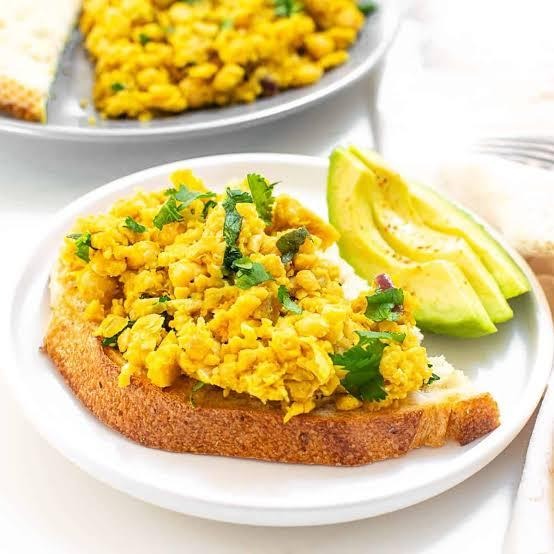
Ingredients
2 cups canned chickpeas, drained 330g
½ tsp turmeric
½ tsp paprika
2 tsp olive oil
1 small onion, finely diced
2 cloves garlic, minced
8 oz spinach230g
½ avocado
Instructions
- Mash the chickpeas with a fork, leaving some whole.
- Mix in the turmeric and paprika, and season with salt.
- Heat the oil in a pan over medium-high heat and sauté the onion and garlic for 2-3 minutes, until fragrant.
- Next, add in the mashed chickpeas and cook for another 5 minutes, then transfer to a bowl, cover with tin foil, and set aside. Using the same pan, wilt the spinach, adding a tablespoon of water.
- Once ready, divide the spinach between 2 bowls, top with the chickpeas, and serve with ¼ avocado.
Sourced from: seventhdayadventistdiet.com