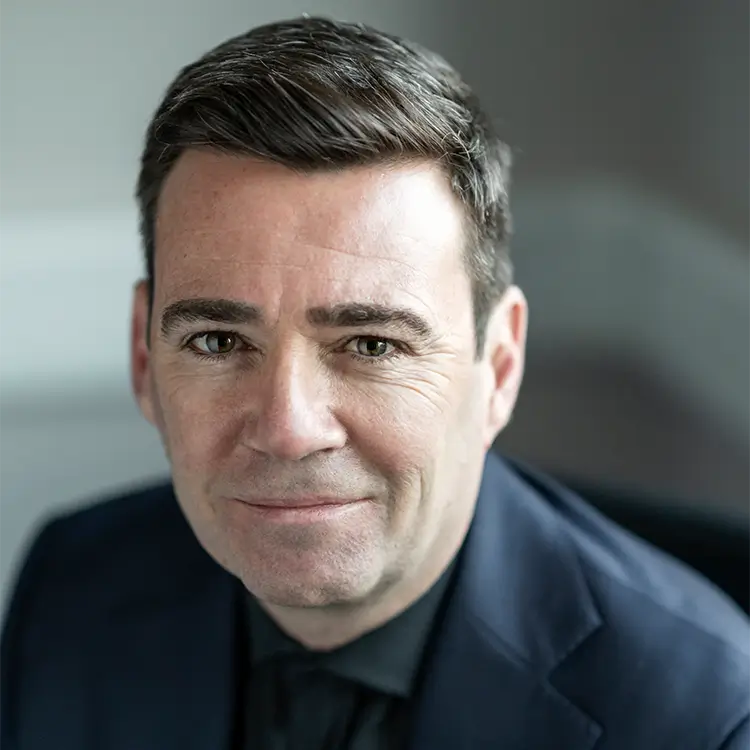
As the United Kingdom faces a sudden political shift, with Prime Minister Keir Starmer announcing his resignation this Monday, all attention has turned to the Labour Party heir apparent: Andy Burnham.
After claiming victory in a recent by-election in Makerfield, the former mayor of Greater Manchester is the clear front-runner to become the United Kingdom’s next Prime Minister. As he prepares for this new prospective position, Burnham faces scrutiny over his long-standing support relationship and advocacy for the British Jewish community and his evolving stance on the State of Israel.
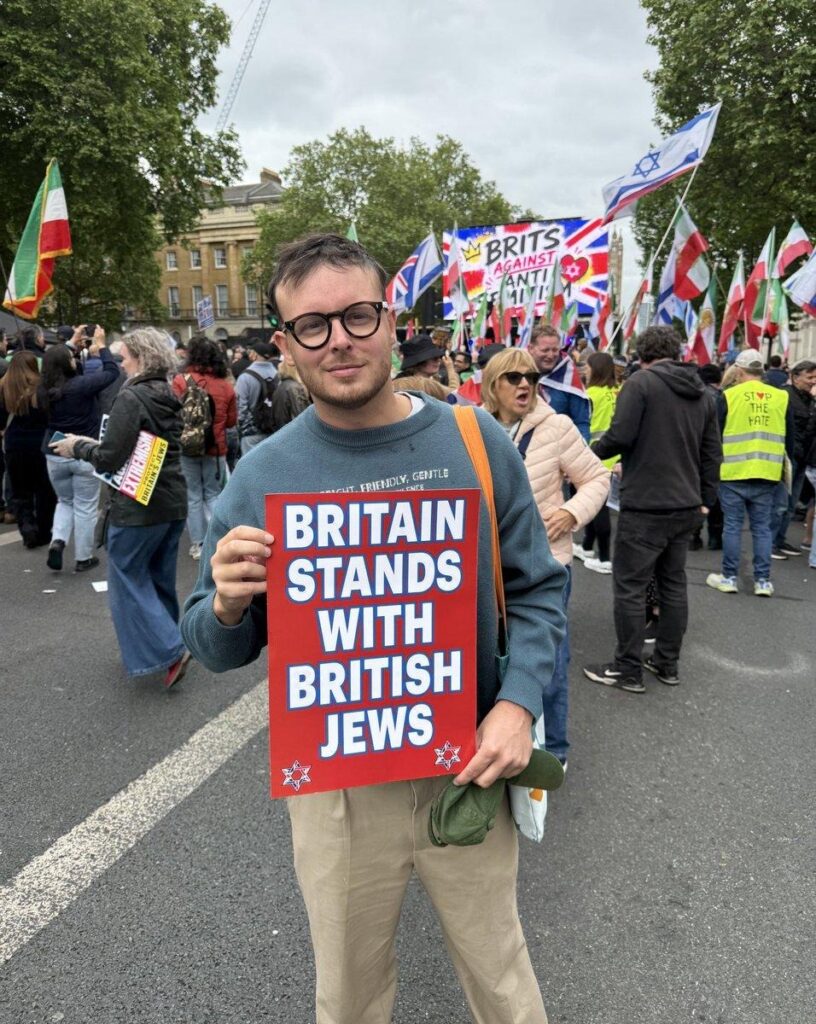
Within the Jewish community, he is viewed as a reliable ally who has consistently shown solidarity during times of crisis. However, his political balancing act, navigating the demands of party unity, shifting grassroots sentiment, and historical diplomatic ties, has left some communal leaders seeking greater clarity on his future foreign policy.
Burnham’s credentials as a defender of the Jewish community are rooted in years of active engagement. For over two decades, Burnham has been a vocal supporter of the Jewish community and has backed the “Labour Friends of Israel” dating back to as early as 2004. As Mayor of Greater Manchester since May 2017, he has forged a strong partnership with the Jewish Representative Council (JRC) of Greater Manchester and the Region. This relationship has been highlighted and solidified during moments of distress and crisis that have fallen on the Jewish community in recent years.
Following the Hamas attacks on October 7, 2023, Burnham offered his condolences and participated in a vigil in Central Manchester within 24 hours of the incident, offering a sense of stability to a community feeling isolated at the time. Another occurrence where he displayed his solidarity for the Jewish community was when an antisemitic terror attack struck a Manchester synagogue on Yom Kippur on October 2, 2025, which claimed two lives. Burnham’s response to this tragedy was immediate. He condemned the act as “antisemitic terrorism”, visited the site, and also directly engaged with the congregation away from the cameras.
In a recent Jewish News column, the Chair of the JRC, Mark Adlestone, noted: “The true test of any friendship comes during moments of crisis.” UK Culture Secretary Lisa Nandy, a primary supporter of Burnham, recently described him as a “great ally” who is “acutely aware of the need for a safe homeland for Jewish people”. She further stated, “His actions while we were frightened and under attack were exemplary.”
However, despite these displays of advocacy over the years, friction has now persisted regarding Burnham’s stance on the conflict in the Middle East. While he has historically supported a two-state solution, his rhetoric has occasionally varied from mainstream shared expectations.
An instance of this is October 2023, where, while condemning Hamas, Burnham led a group of local leaders in calling for a ceasefire while Israeli hostages remained in captivity. This move drew criticism from JRC’s Chair Mark Adlestone, who argued the statement gave “insufficient weight to Israel’s right and obligation to defend her (“her” referring to the country of Israel) citizens.”
Furthermore, Burnham has faced pressure from both sides of the political parties. Pro-Palestinian groups have criticised him for declining to label Israel’s actions in Gaza as “genocide”, with Burnham stating, “I can’t judge things of that enormity from where I am as mayor.” Conversely, some Jewish figures have expressed concern over his past support for Palestinian statehood recognition and his willingness to engage with political figures previously distanced by the party over their stance on antisemitism.
Burnham enters the race for the leadership, promising a “clear stance” on Israel and Palestine. During his Makerfield campaign, he signaled a shift toward a more proactive international outlook, telling supporters, “I have taken a clear stance on these matters and have done so over many years.”
Political observers note that Burnham is a “pragmatic operator” who has evolved significantly since his 2015 leadership bid, when he labelled the Boycott, Divestment, and Sanctions (BDS), a Palestinian-led movement that encourages people and organisations to limit their support to Israel, as “spiteful” and pledged that Israel would be the first country he would visit as leader. Today, he appears likely to pursue a foreign policy that prioritises a two-state solution while attempting to maintain the “constructive dialogue” that has defined his time in Manchester.
As he prepares to change his position in Greater Manchester, the central question for some British Jews remains: Will Burnham maintain his reputation as a steadfast local ally to the Jewish community while navigating the intensifying international pressures of the premiership?