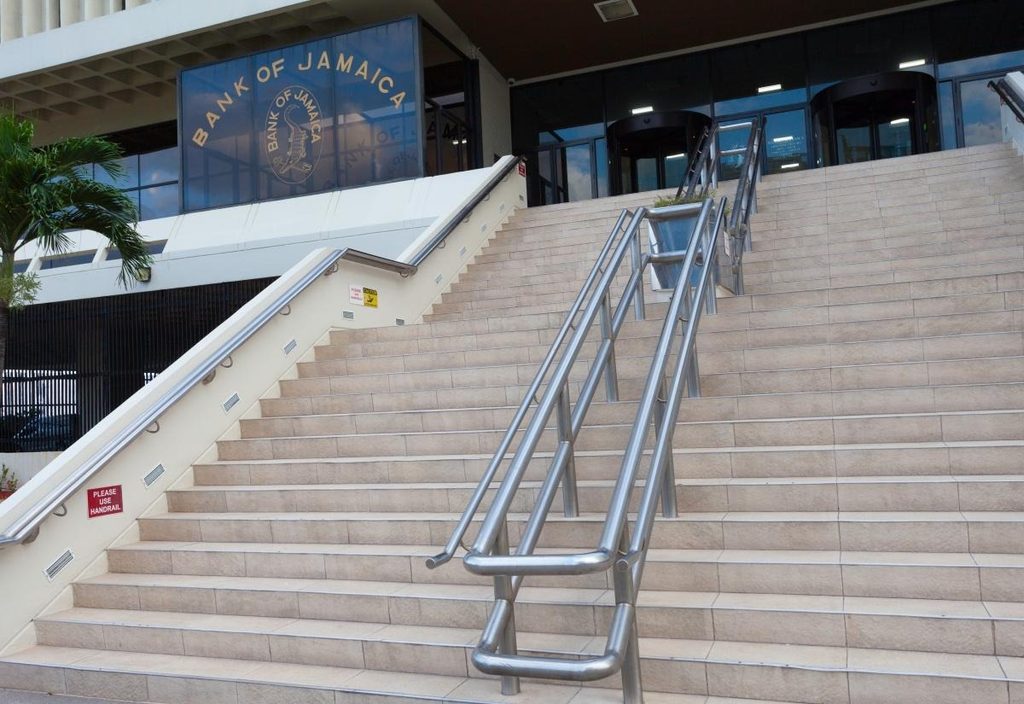
A move by the Bank of Jamaica to phase out the use of cheques is being legally challenged by members of the christian community, who say it is the preferred method for the payment of bills.
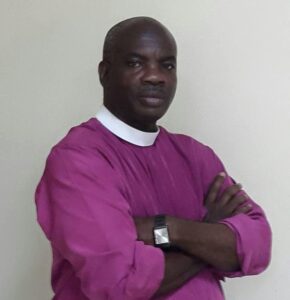
Both Jeffrey Shuttleworth, who is the lead member of the Freedom Come Ministries International (FCMI), and Basil Hanson, representing the Association of Christian Communicators and Media (ACCM), are asking for a judicial review of the BOJ’s decision, which will see the use of cheques completely phased out by March 2028. A motion was filed by their attorney, Hugh Wildman, in the Supreme Court on Monday.
Shuttleworth, who is the first applicant, said both he and Hanson have a large membership that uses cheques to conduct business daily. As of September 1, 2026, banks stopped taking cheques valued at more than $1 million Jamaican dollars in keeping with the BOJ’s policy directive.
“It is clear that from this policy, the Respondents are giving preference to those persons in the society who have chosen the electronic banking system over those who use the chequing system to effect transactions. The 2nd applicant and I contend that this is not only a breach of the Banking Act but also a clear violation of the Charter of Fundamental Rights and Freedoms, which guarantees equitable treatment by public authorities in the execution of their functions,” Shuttleworth said.
“By giving preference to those who chose the electronic banking system over those who use the chequing system, it constitutes flagrant disregard of our right to effect and execute transactions by the chequing system, which is a recognised system of settling debts or effecting transactions,” he added.
Several banks and government agencies have indicated their intention to phase out cheques gradually, leading to a complete ban in March 2028. Scotiabank indicated that the phasing out of cheques is an industry-wide change that is being introduced in collaboration with the Jamaica Bankers Association “to support a smooth transition to secure and convenient electronic payment options.”
“For payments of one million Jamaican dollars (J$1,000,000.00) or more, we encourage you to use our Real Time Gross Settlement (RTGS) service. Available both online and in branch, RTGS offers a secure, reliable, and efficient way to transfer funds, with the added convenience of easier transaction tracking for your records,” the bank posted on its website.
The JMMB Group also posted a similar notice. “Jamaica is moving beyond paper cheques through a phased transition to safer, faster and more efficient electronic payments,” it said.
Government entities, like the Tax Administration Jamaica (TAJ), have indicated they will stop accepting and issuing cheques by March 2028. It said the decision was in compliance with new procedures being implemented by the Bank of Jamaica and commercial banks. TAJ said it stopped accepting cheques from government entities and the manager’s cheques valued at $1 million or more as of September 1, and the acceptance threshold will be reduced in phases before cheque acceptance is eliminated entirely by March 2028. By March 1, 2027, the cheque acceptance threshold will be reduced to J$500,000 and then to J$100,000 by September 1, 2027.
In light of the planned phasing out of cheques, Shuttleworth and Hanson are seeking a declaration that the new policy is in breach of Section 13 of the Charter of Fundamental Rights and Freedom, as the said policy constitutes equitable treatment by a public authority in the exercise of its function.
“The applicants have a vested interest in the issues that arise for consideration within this application, not only in their personal capacity in which they are affected, but also as public spirited individuals who seek to ensure that citizens’ rights are not trampled upon by agents of the state,” they said.
The church groups also stated that the new policy is in breach of Section 27 of the Bank of Jamaica Act.