Despite being a staple in rural parishes, the apiculture sector struggles to attract younger generations, largely due to a fear of stings and possible allergies.
Apiculture is the technical term for the occupation and breeding of bees for their honey, and has become an evolving industry in Jamaica. Educators in agricultural training are hoping for a shift in perception towards the industry. They have described bee keeping as a sophisticated, structured business.
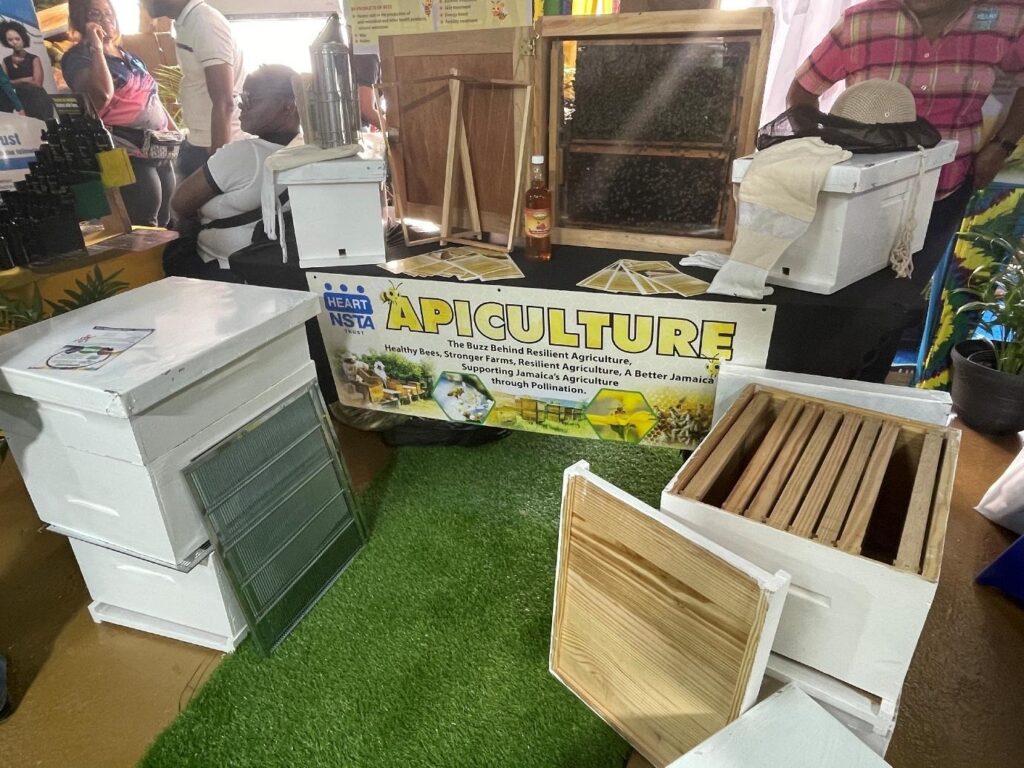
The Freedom Come Rain newspaper had the opportunity to visit the Apiculture display during the Denbigh Agricultural, Industrial and Food Show on July 31 and was able to gain a thorough insight into what the industry is about.
“A lot of people will see the boxes and not actually know what the dynamics are in the colonies,” explained Natalie Jefferson, who represented Kenilworth Arts Academy in Hanover. On display, was an apiculture set up, done in partnership with Ebony Park Academy.
Jefferson noted that every successful honey operation relies on a precise caste system within the beehive: the queen, who lays eggs to sustain the life cycle; male drones; and worker bees, which forage for nectar and bring it back to the hive. The worker bees then fan their wings to evaporate the nectar’s water content, sealing the resulting mature honey.
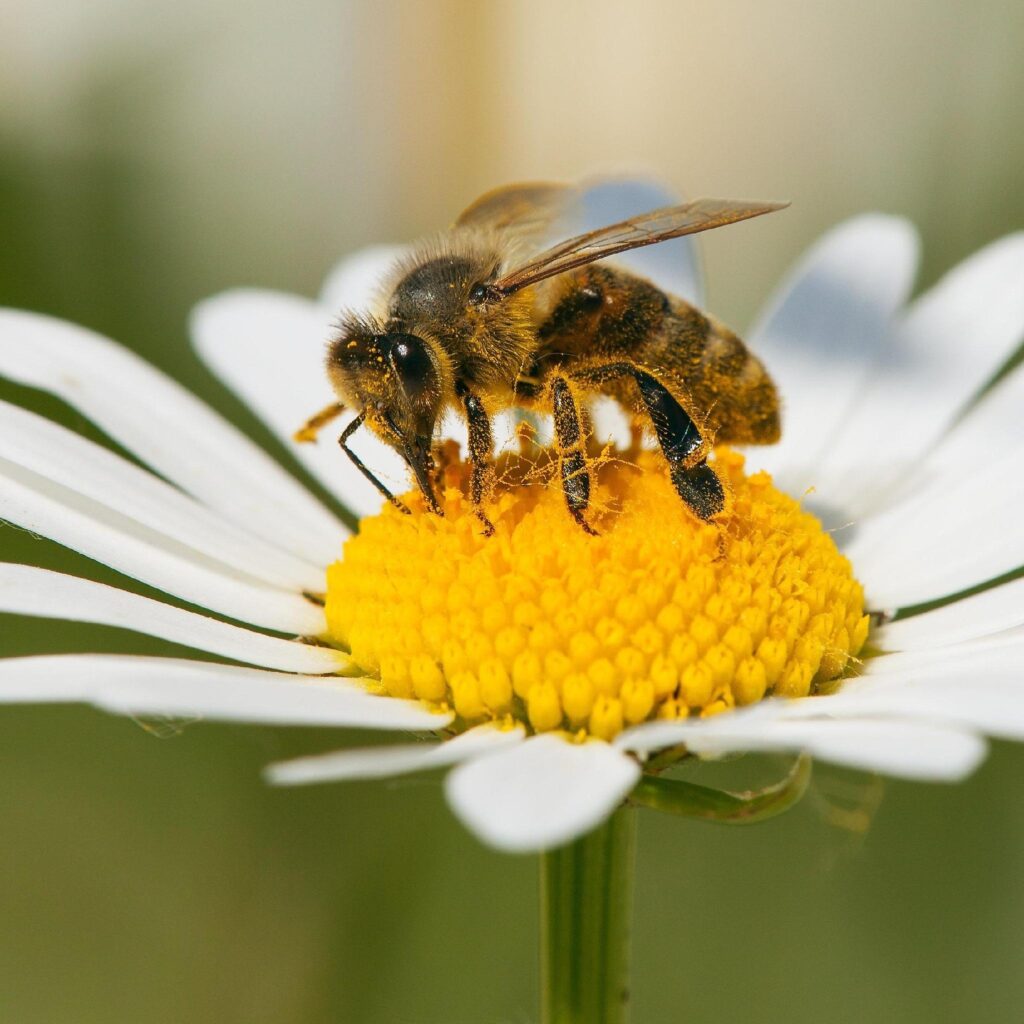
Beyond honey and wax production, bees serve a vital role in national food security. Jefferson pointed to their essential role in crop pollination, calling them silent drivers of agricultural recovery following natural disasters like Hurricane Melissa.
“Through pollination, we are able to see our sector bounce back,” Jefferson said, noting the industry’s resilience in 2026. “The bees would have played a major part in the bounce back and the resilience that our sector has shown.”
Even so, the local apiculture sector faces growing environmental threats, particularly from climate change and the heavy use of agricultural chemicals. Chemical runoff and sprays reduce the availability of flowering plants and leave toxic residues that worker bees carry back to their hives, weakening colonies and reducing honey quality over time.
For those considering entering the field, experts stress that success requires more than just buying a hive.
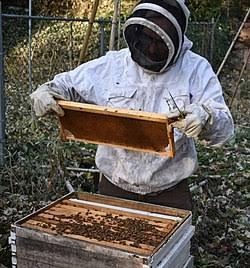
“It is a science,” Jefferson emphasized, encouraging prospective beekeepers to invest in proper protective gear, ranging from simple hat-and-veil setups to full body suits. She also pointed to the importance of seeking formal education rather than jumping in unprepared. “My first advice to you is to get trained, formally trained.”
ACQUIRING A BEE KEEPING LICENSE IN JAMAICA
Starting an apicultural enterprise in Jamaica requires meeting official regulatory standards to ensure hive health, bio-security, and honey quality.
- Obtain Formal Training: Before managing hives, complete structured training in apiculture (such as Level 1 or Level 2 certifications offered through HEART/NSTA Trust locations like Ebony Park or Kenilworth Arts Academy) to learn proper hive manipulation, disease management, and pest control.
- Register Your Apiary: All beekeepers in Jamaica are required by law to register their apiary sites with the Apiculture Unit of the Ministry of Agriculture, Fisheries and Mining.
- Site Inspection: A Government Plant Quarantine/Apiculture Officer will inspect your proposed apiary location to ensure it complies with land-use guidelines, maintains safe distances from residential areas, and has adequate forage and water sources.
- Receive Registration & Documentation: Upon passing inspection and meeting health standards, your apiary will be formally registered, issuing you the necessary authorization to keep bees, transport colonies, and commercially harvest honey within Jamaica.