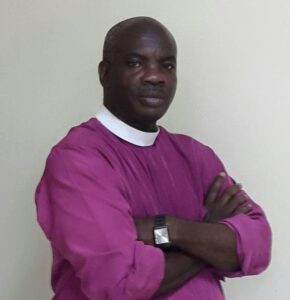

Pastor Leslie Joseph ‘Joe’ Buckland Jr. has warned that Jamaica’s transition towards digital identification and electronic payments could threaten citizens’ privacy, financial independence and religious freedom.
Speaking at a webinar hosted by the Association of Christian Communicators and Media (ACCM), the pastor urged the Government to retain cash and other traditional payment methods.
Pastor Buckland argued that the growing integration of national identification systems and digital financial services could give governments unprecedented control over how citizens access services, manage their money and exercise their freedoms.
He identified seven major implications of what he described as the movement towards a cashless society, including the potential replacement of cash and cheques, increased government surveillance, identity theft, restrictions on financial transactions and the possible suspension of digital identification capabilities.
However, his most serious concern was the implication of the proposed changes, which he believes could lead towards the biblical “mark of the beast” described in Revelation 13.
Pastor Buckland linked the global promotion of digital identification to the United Nations’ Sustainable Development Goals, particularly Target 16.9, which calls for legal identity for all, including birth registration. He argued that the initiative represents a shift from traditional paper-based identification, such as birth certificates, passports and driver’s licences, towards electronic identification systems.
He also expressed concern that digital identification could become increasingly necessary as governments expand electronic payment systems and integrate identification services with financial institutions.
Turning his attention to Jamaica, Pastor Buckland questioned whether enrolment in the National Identification System (NIDS) would remain genuinely voluntary if the national identification card became central to accessing banking services and government programmes.
He pointed to a memorandum of understanding signed by Prime Minister Andrew Holness and deposit-taking institutions on June 3, 2022, concerning the use of NIDS for identity verification and authentication.
Pastor Buckland also cited provisions in the National Identification and Registration Regulations 2023, which he said describe enrolment as voluntary, and that allowance is made for individuals to cancel their applications or enrolment.
However, he argued that integrating national identification with banking and public services could nevertheless create circumstances in which people feel compelled to obtain the card to conduct everyday transactions.
The pastor further referenced statements attributed to Holness about moving Jamaica towards a digital society and expanding digital payment arrangements as evidence that cash, cheques and other paper-based payment methods would eventually be phased out.
Pastor Buckland’s concerns extended to central bank digital currencies (CBDCs), which he warned could be programmed to control how, when and where money is spent.
He raised the possibility of restrictions on transactions, the freezing of funds and limitations on payments to particular individuals or organisations. He also warned that digital money could, in some systems, be subject to spending conditions or time limits.
According to Pastor Buckland, such capabilities could undermine financial autonomy if implemented without adequate safeguards, allowing authorities to exercise excessive control over citizens’ economic activities.
He also argued that digital transactions could create a detailed record of individuals’ spending, raising questions about the extent to which governments might access personal financial information.
The pastor questioned the decision, as he described it, to make the national identification number identical to the Taxpayer Registration Number (TRN), arguing that linking the two identifiers could facilitate the tracking of financial activities.
Cybersecurity was another major theme of his presentation. Pastor Buckland referred to reported incidents involving identity theft, fraudulent identification documents and data breaches in countries including India, Nigeria, the United Kingdom, Kenya and South Korea.
He argued that these cases demonstrate the risks associated with storing large volumes of personal information in centralised or interconnected databases.
He also highlighted a provision in the 2023 regulations stating that the electronic and digital capabilities of a national identification card would not be available during a period of suspension.
Pastor Buckland warned that the power to suspend those capabilities could become a tool for restricting access to digital services if exercised improperly by a future administration.
He argued that people should be concerned about the possibility of losing access to transactions and services because of decisions made by authorities, particularly where effective appeal mechanisms and safeguards might be inadequate.
But it was the biblical implications of digital identification and cashless transactions that formed the centrepiece of his presentation.
Drawing comparisons between NIDS and the prophecy in Revelation 13 concerning the mark of the beast, Pastor Buckland identified three similarities: the encouragement for people across society to receive identification, the possibility of internationally coordinated identification systems, and the prospect of a society in which people cannot buy or sell without an approved form of identification.
He cited Revelation 13:16-17, which describes the mark of the beast associated with the ability to buy and sell, and argued that the growing reliance on digital identification and electronic transactions bears similarities to that prophecy.
Pastor Buckland also referred to the use of implanted microchips by some individuals in Sweden and the United States, presenting the development as another reason Christians should examine the implications of emerging identification technologies.
The pastor said the potential consequences of a cashless society raised fundamental questions about how people without access to digital services, or those who do not participate in such systems, would obtain essential goods and services.
He further questioned whether citizens would retain meaningful alternatives if physical currency became less widely accepted.
Pastor Buckland urged Christians to pray for governments to reconsider national identification initiatives and preserve cash, cheques and other paper-based payment methods.
Citing 1 Timothy 2:1-3, he called on believers to pray for those in authority, arguing that the preservation of personal freedoms and the ability to practise their faith should remain important considerations as Jamaica develops its digital infrastructure.