
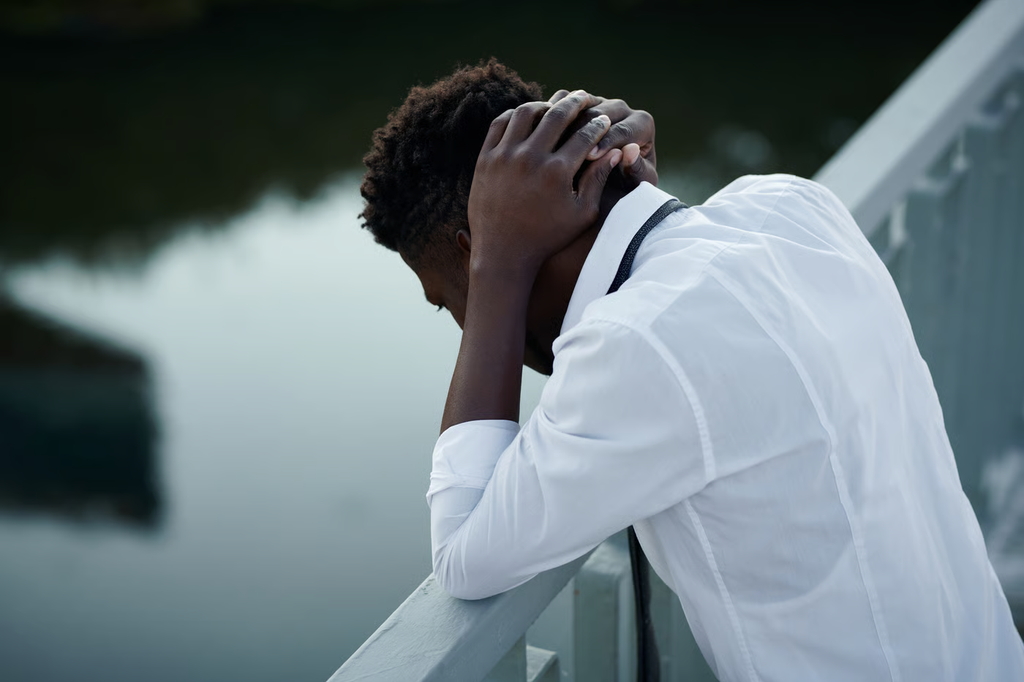
A new national health survey is raising concerns about the mental well-being of Jamaican adolescents, with increasing numbers of students reporting suicidal thoughts, suicide attempts, anxiety, and depression.
The findings come from the 2026 Global School-Based Student Health Survey (GSHS), which surveyed 3,058 students from grades seven through 12. The results were released recently by Health Minister Dr Christopher Tufton in collaboration with representatives from the National Council on Drug Abuse.
The survey found that mental health indicators have deteriorated when compared with results from 2010 and 2017.
Grade 11 students recorded the highest level of suicidal thoughts. Among them, 36.6 per cent of girls and 23.1 per cent of boys said they had thought about killing themselves.
Suicide attempts were also reported among students across several grades. The survey found that 32.4 per cent of grade nine girls, 21.8 per cent of grade eight boys and 21.5 per cent of grade 10 boys reported attempting to end their lives during the period covered by the survey.
Anxiety and depression were also significant concerns. Grade 10 girls reported the highest level of anxiety at 46.2 per cent, compared with 16.8 per cent among grade 11 boys.
Depression was highest among grade 11 students, with 47.8 per cent of girls and 23.8 per cent of boys reporting experiencing it.
The researchers said the findings highlight the need for earlier intervention and greater access to mental health support for adolescents.
They identified rising emotional distress and self-harm risks, the effect of untreated mental health problems in school and relationships, and stigma and limited access to professional services as major challenges facing young people.
The survey also examined students’ use of social media and digital devices.
It found that 87.4 per cent of students surveyed owned a mobile phone, while 77.5 per cent used their devices for social media, online communication or Internet browsing. More than three hours of screen time on an average school day was reported by 67.2 per cent of students.
Despite this high level of use, only 39 per cent said their parents or guardians had rules governing their social media use.
Researchers warned that excessive screen time could interfere with sleep, physical activity, family interaction and face-to-face relationships. They also highlighted concerns about students’ exposure to cyberbullying, harmful content, negative online comments and unrealistic comparisons.
The findings have prompted questions about whether schools are adequately equipped to identify students experiencing mental health difficulties and connect them with appropriate support.
Researchers said greater attention is needed on early screening, referral systems and suicide prevention pathways linking schools, families and communities.
The Global School-Based Student Health Survey is an international survey developed by the World Health Organization in collaboration with UNICEF, UNESCO, USAID and the US Centers for Disease Control and Prevention. It examines health behaviours and protective factors among young people aged 13 to 17.