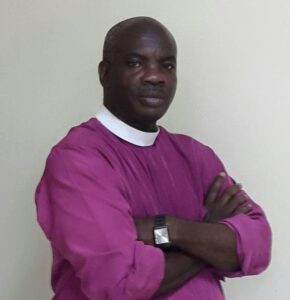

Pastor Leslie Joseph “Joe” Buckland Jr. is urging Christians to become more self-reliant and prepare for the possibility of imprisonment or loss of property if they refuse to accept an electronic identification system on religious grounds.
Speaking at the Association of Christian Communicators and Media’s webinar on Monday, October 19, Buckland warned that Jamaica’s movement towards a digital society could place Christians in difficult circumstances if they choose to stand by their convictions and reject digital identification.
“If we stand up for what is right and we don’t take the electronic ID that is becoming international, then I don’t know what the government will do at that point,” Buckland said.
He outlined possible consequences, including prosecution, imprisonment and the loss of land, warning that Christians should prepare themselves spiritually and practically for what he believes could be challenging times ahead.
“It could be that, you know, we will be taken to court, it could be that we will be punished by being put in prison for X amount of months, it could be that the land will be taken away,” he said.
“But we’re really heading for serious times. It’s not going to be easy,” Buckland added, acknowledging that he did not have all the answers but urged believers to pray for divine wisdom.
The pastor encouraged Christians to take practical steps towards self-sufficiency, including growing their own food and developing alternative ways of obtaining essential goods and services should they find themselves unable to use cash.
“If you can, buy land or use the land that you now have to grow what you need to eat and drink,” he advised, explaining that having access to food could become important if people were eventually unable to purchase supplies using cash.
He also encouraged members of the church to support one another, suggesting that Christians who have land and produce should be willing to assist fellow believers who might face difficulties accessing food.
Buckland further called on born-again Christians to establish barter systems, in which people exchange goods and services instead of relying exclusively on money.
His recommendations came amid wider discussions at the webinar about Jamaica’s planned transition away from cheque payments and the challenges the change could create for churches and micro, small and medium-sized enterprises (MSMEs).
Dr Jacqueline Leckie, principal consultant at Leckie & Associates Consulting, warned that the planned discontinuation of cheque payments would mark a significant turning point for the country, particularly for churches and small businesses that continue to rely on cheques for financial transactions.
“The banning of cheque payments is a major inflection point for Jamaica, and it will hit our churches and small businesses if we are not prepared, not just financially, but technologically,” Leckie said.
She outlined an “Audit, Train and Adopt” framework intended to help churches and businesses prepare for the transition ahead of March 1, 2028, the date identified for the planned end of cheque payments.
Leckie noted that cheques have been used in Jamaica for more than 65 years, with the first cheque issued on May 20, 1961. Churches have traditionally used them to deposit collections gathered during Saturday and Sunday services, while businesses rely on them to pay suppliers, purchase goods and services, and settle accounts.
She warned that the removal of the cheque system would affect organisations that have depended on the paper-based method for decades, particularly as Jamaica continues its transition towards digital transactions.
Buckland’s recommendations focused on preparing Christians for the possibility that access to conventional financial systems could become increasingly difficult. He urged believers to strengthen their reliance on God, as prayer and the pursuit of wisdom will be essential as Christians consider how to respond to the changes ahead.