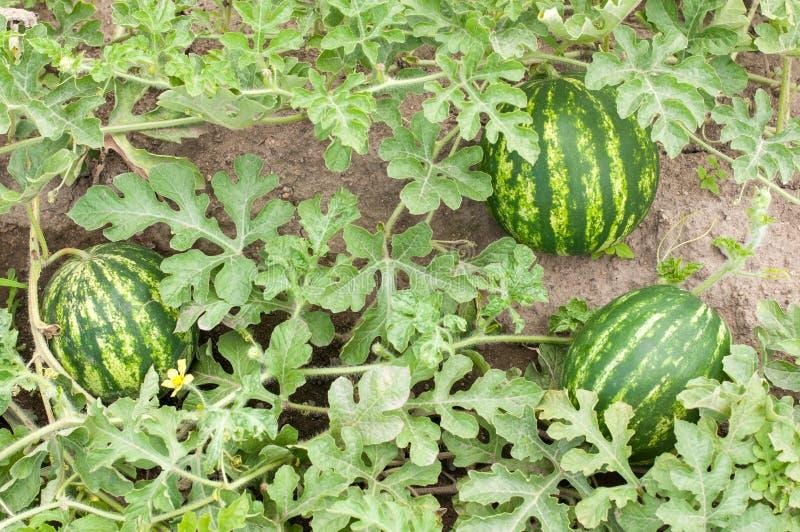
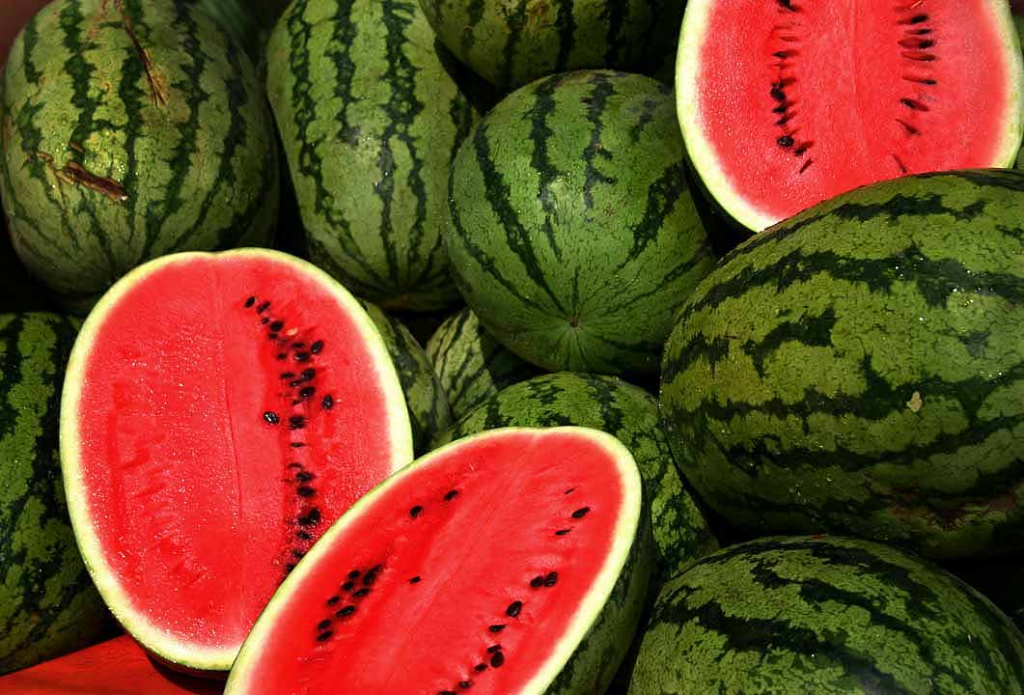
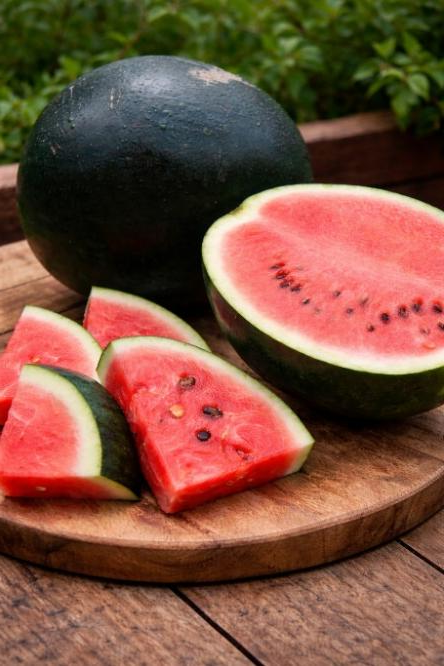
Summer is officially here, and during this season, many people try to grab a common, refreshing, sweet, and healthy fruit to eat and enjoy. One of those fruits is the green, striped, and spherical watermelon.
Watermelon, also known by its scientific name Citrullus lanatus, has its roots in northeastern Africa. Indigenous to dry African landscapes, watermelons were originally cultivated over 4,000 years ago primarily for their remarkable water-storage capacity during severe droughts. Tomb paintings in Egypt have depicted large, striped, oblong melons on trays alongside grapes. From Egypt, selective breeding sweetened the fruit, and it eventually spread across the Mediterranean, through Europe via Moorish Induction in Spain approximately 700 years ago, and across the globe.
While watermelons dominate our markets during this season, the broader melon family, known as Cucurbitaceae, is highly diverse. In Jamaica, the agricultural landscape is dominated by rugged, diverse watermelon varieties that thrive in the island’s intense sun. The most prominent varieties grown locally include:
- Jubilee: This is a common, oval-shaped watermelon sporting a light green background with dark green stripes. It is highly favoured by local farmers for its vibrant red, crisp flesh and massive size, averaging 25 to 40 pounds.
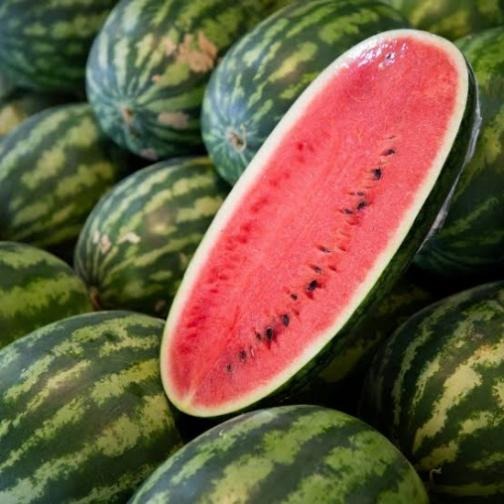
- Crimson Sweet: Famous for its round shape and high sugar content, it provides excellent disease resistance in tropical conditions.
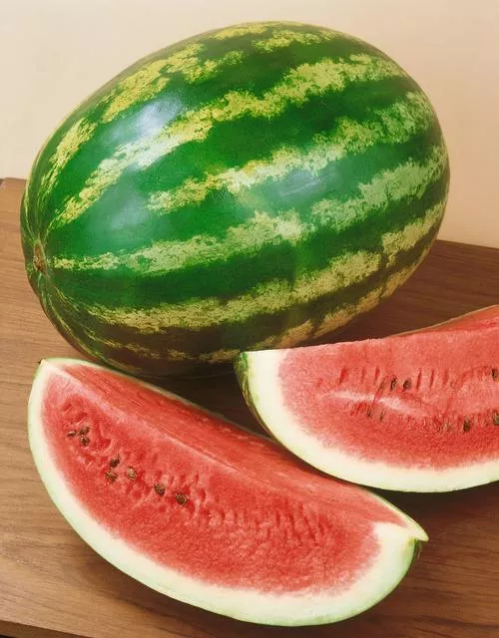
- Sugar Baby: A classical personal-sized or “icebox” round melon that has a solid dark green rind and a sweet red flesh.
GROWING WATERMELONS
According to data from the University of Minnesota Extension, successfully cultivating your own melons demands strict environmental management. Melons are highly cold-sensitive plants that require hot, sunny locations and specific soil to achieve the most refreshing and sugary yield.
1. Soil Selection and Bed Creation: Pre-Planting Phase.
Melons thrive best in fertile, well-drained sandy loam soils with a pH between 6.0 and 6.5. If the pH drops below 6.0, the plants may develop yellow foliage and stop setting fruit. Those who wish to plant this crop should build raised beds (around 6 to 8 inches high) to maximize drainage and accelerate soil warming.
2. Managing Germination Temperatures: Sowing Phase.
Seed germination maximizes when soil temperatures hit between 70°F and 90°F. Planting in cool soils below 65°F exposes the seeds to soil-borne root diseases that can permanently stunt or kill the crop. Seeds should be planted 1/2 to 1 inch deep in groups spaced 18 to 24 inches apart.
3. Transplanting: Vining Phase.
If starting seeds indoors to get a head start, use large biodegradable peat pots (about 4 inches in diameter). Melons have highly fragile root systems; any root disturbance during transplanting can cause permanent shock. Plant the entire pot directly into the ground to protect the roots.
4. Hydration Control: Ripening Phase.
Ensure you provide 1 to 2 inches of water per week using a drip or soaker hose to keep the leaves dry and prevent fungal issues like powdery mildew. Importantly, water must be gradually reduced during the final two weeks of ripening; overwatering the plant right before harvest dilutes the sugars and can cause the rinds to split open.