
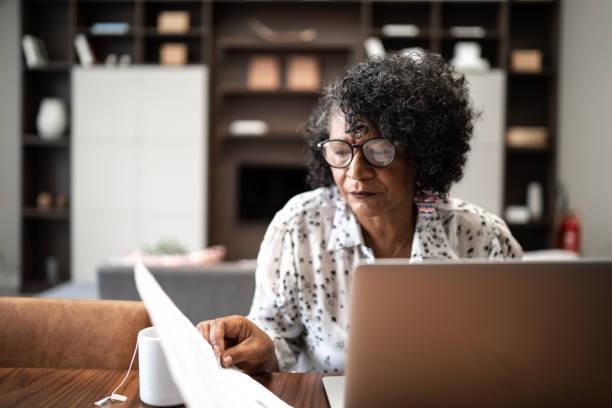
In early August, Valora Rhoden*, 85, of Portmore Municipality City, was well into her afternoon nap when it was interrupted by a telephone call.
According to Rhoden, when she answered the call, a pleasant-sounding woman was on the line claiming to be calling from her bank and asking for her debit card number and PIN.
Rhoden said she tried to explain that, because of her age, she was unfamiliar with such matters and would ask her son to obtain the information.
She said the woman on the line continued to insist that she provide the card number. Becoming suspicious, Rhoden hung up the phone.
Her son subsequently tried calling the number several times, but the calls terminated at an automated switchboard, with a recording purporting to be that of a popular institution.
“My son always told me anyone that call my phone to ask about my bank information or any personal [information], I should hang up and let him find out who were calling. So, that was why I hung up the phone when they were pressuring me. Sometimes I forget things, but this is something he always tell me,” she said.
Rhoden was fortunate. She ended the call without giving out her information. Other persons, including some who are dependent solely on their pensions, have not been as fortunate and have had their money stolen.
Another case highlighting the vulnerability of senior citizens was recently recounted on social media by Kerry Ann Morgan.
Morgan said a senior citizen told her she had received a disturbing telephone call from a man with an African accent who was able to provide information about a year group to which she belonged. The man reportedly told the woman that the President was having a meeting via Zoom and said he would send her a link.
According to Morgan, the woman did not see any link. After ending the call, she attempted to contact the President, whose name the caller had known, to confirm whether the meeting was genuine.
She subsequently discovered that her WhatsApp account had disappeared and that her JN account had been hacked and cleared out.
Morgan said she repeatedly asked the woman whether she had clicked on a link, but the woman maintained that no link had arrived.
The incident prompted questions about the methods used by scammers to gain access to victims’ accounts and personal information.
One social media user suggested that the incident could have involved social engineering, with personal information obtained through a possible data leak, hacking or publicly available information being used to establish trust with the victim. The user also suggested that the victim’s WhatsApp account may have been compromised during the call.
The vulnerability of senior citizens is not limited to unknown callers.
The Ministry of Labour and Social Security has previously confirmed that family members and trusted caregivers constitute the primary perpetrators of reported elder abuse. Historical figures showed 77 cases involving family members and 42 involving caregivers, compared with nine cases involving strangers.
Advocates have also pointed to the reluctance of elderly victims to report abuse.
The Caribbean Community of Retired Persons has noted that, despite legislation such as the Maintenance Act, which places a legal obligation on adult children to support ageing relatives, elderly victims may be reluctant to make official complaints because of pride and fear of abandonment or retaliation.
The concern comes amid wider public attention to the vulnerability of senior citizens, including reported robberies involving elderly persons and the interdiction of a policeman following an alleged assault on an 82-year-old man in Spanish Town.
For Rhoden, the advice of her son was enough to prevent what could have been a costly mistake.
She did not provide the caller with her card number or PIN.
Her experience, however, illustrates the importance of caution among senior citizens when strangers request banking information, passwords or other personal details over the telephone.
*Name changed to protect the person’s privacy.