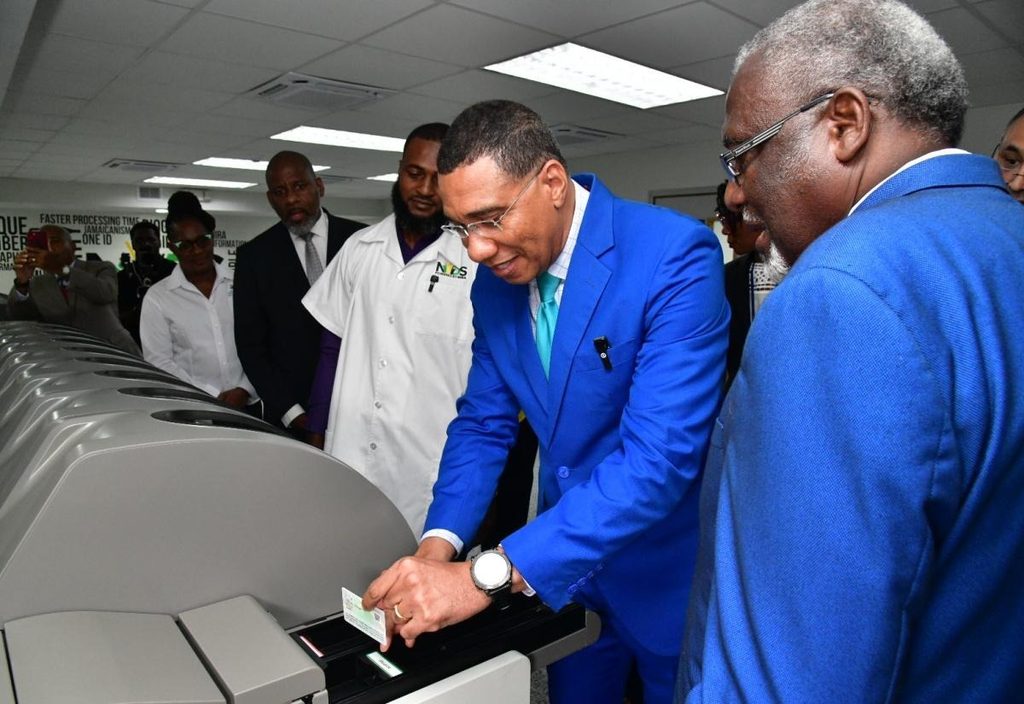
Despite previous assurances that the National Identification System (NIDS) registration would be voluntary, the Dr. Andrew Holness administration has been seeking opportunities to get Jamaicans to enrol.
Pastor Joseph Buckland noted that the administration had pursued a deliberate strategy to expand participation in the scheme and that the requirement for hurricane recovery assistance represented another opportunity to achieve that objective.
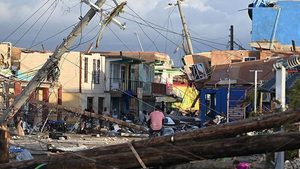
He questioned why assistance for those who had lost their homes, livestock and other possessions had taken so long to reach some affected communities, arguing that the introduction of the identification requirement at this stage could place additional pressure upon people in desperate circumstances.
Buckland also pointed to the continuing difficulties faced by schools, some of which, he said, still had classrooms operating under tents, and questioned the pace at which donations and other forms of assistance had been distributed.
“It is really sad,” he said, reiterating his concern that the suffering caused by the hurricane might be used to encourage registration for NIDS.
The controversy raises questions about the relationship between disaster assistance, citizens’ rights and the Government’s plans for a national identification framework.
Buckland also drew attention to the National Identification Registration Authority (NIRA), which he believes could eventually assume functions now performed by the Registrar General’s Department (RGD).
He referred to an announcement made by the Prime Minister in June 2022 concerning the proposed development of the national identification system and the future role of NIRA.
The pastor expressed concern that the consolidation of identification and registration services could eventually result in Jamaicans being required to obtain a national identification card before accessing services such as the issuance of birth, marriage and death certificates.
Such an outcome, he suggested, would represent a significant expansion of the role of NIDS in the daily lives of citizens.
For those still recovering from Hurricane Melissa, the immediate concern is more pressing: whether the help they need will be readily available or whether registration and other administrative requirements will stand between them and relief.
Buckland’s intervention adds to the calls for the Government to explain the basis of the NIDS requirement, clarify the safeguards surrounding personal information and demonstrate that disaster assistance will not be withheld from vulnerable citizens without adequate justification.
As the country continues its recovery, the Government faces the task of ensuring that relief reaches those in need while addressing concerns that the national identification programme could extend beyond its stated purpose.
For Buckland, the imposition of the requirement upon hurricane-affected Jamaicans is a regrettable development, particularly at a time when many are still struggling to restore their homes, livelihoods and sense of security.
Funding for the NIDS came from the Government and the Inter-American Development Bank (IDB). The initial span of the project was from February 2018 to February 2024, but that deadline was pushed back. The project had an initial estimated cost of $8.8 billion, with about $8.5 billion coming from an IDB loan. The Government then allocated $2.8 billion towards its implementation in the 2025/26 Estimates of Expenditure.